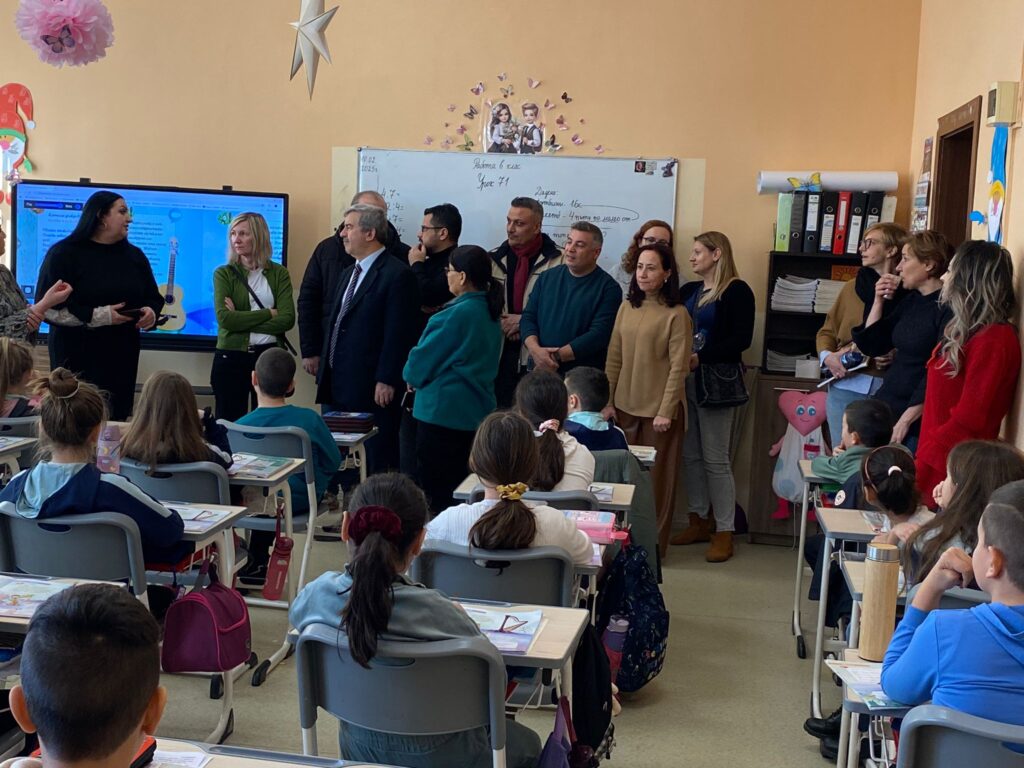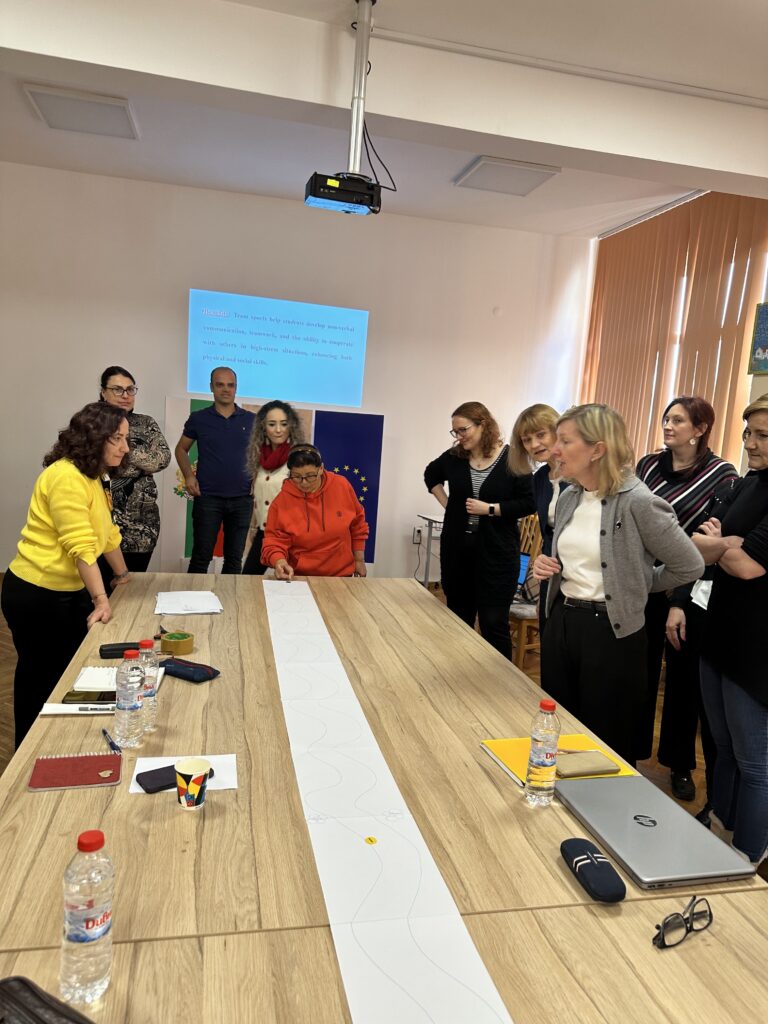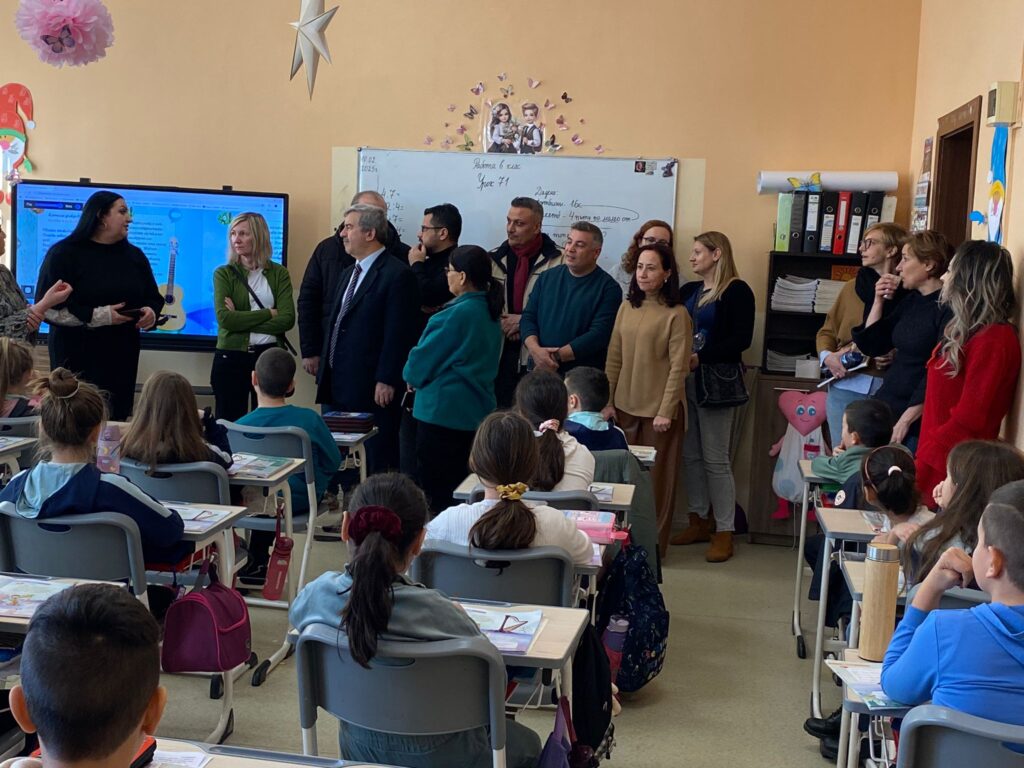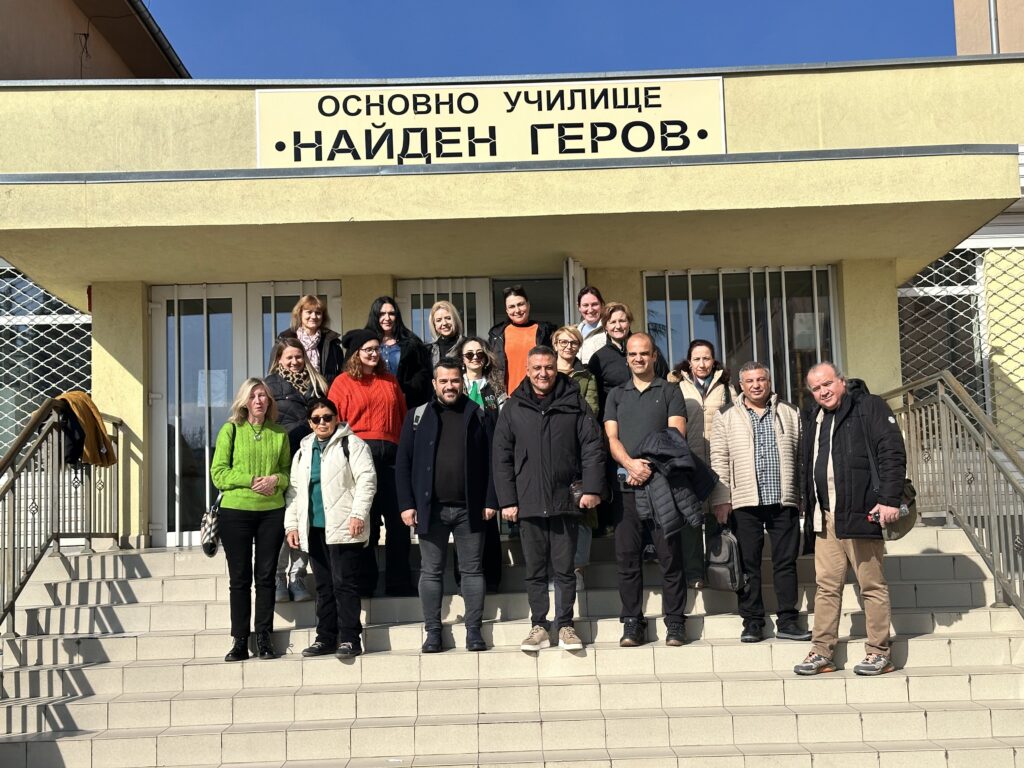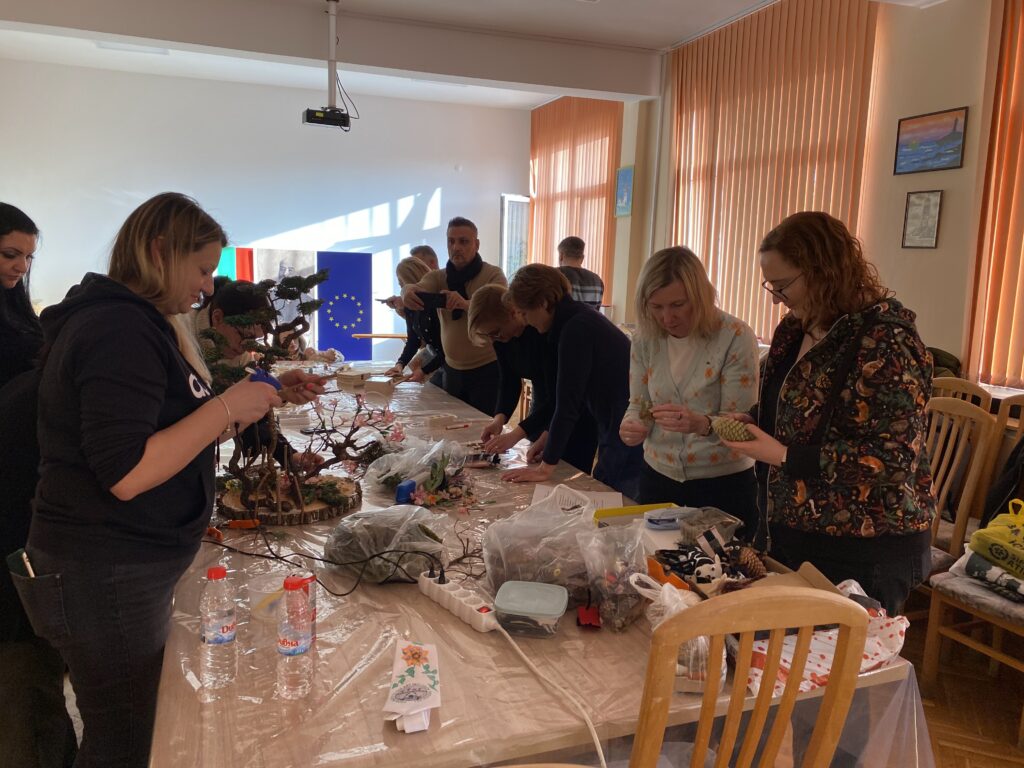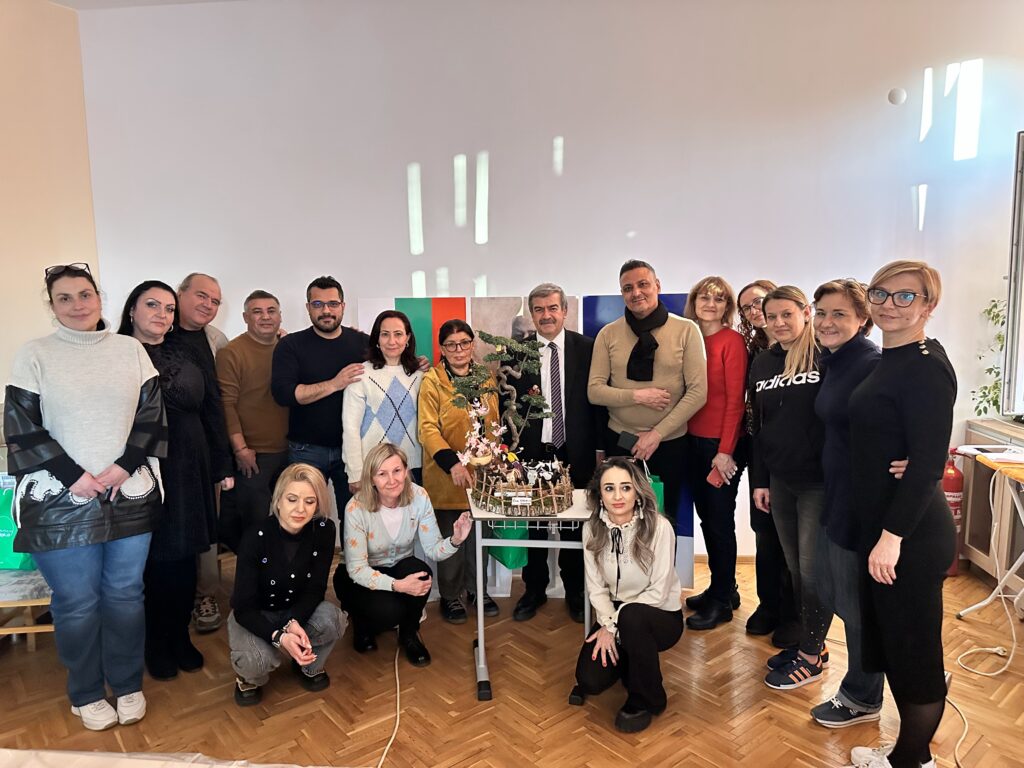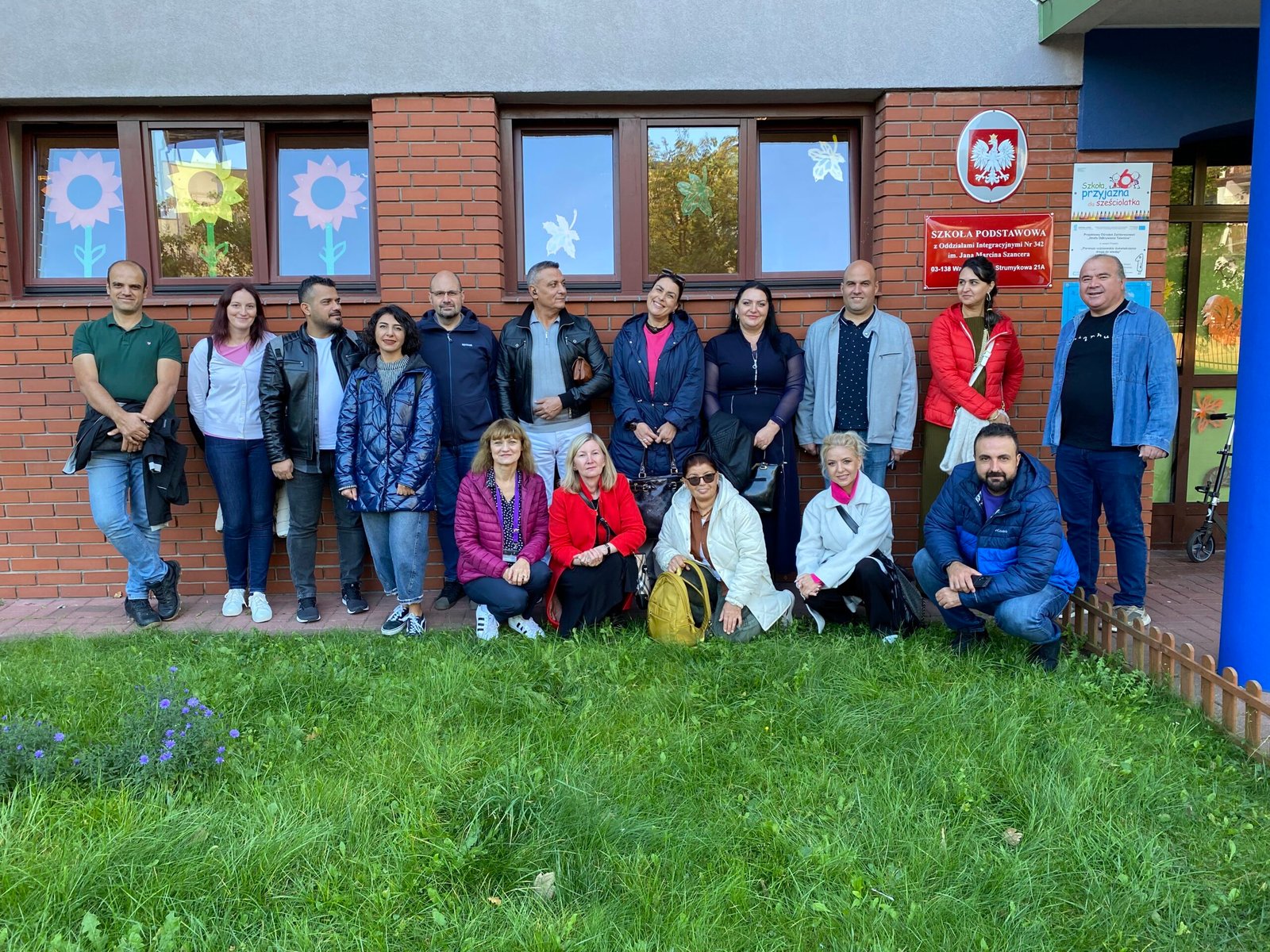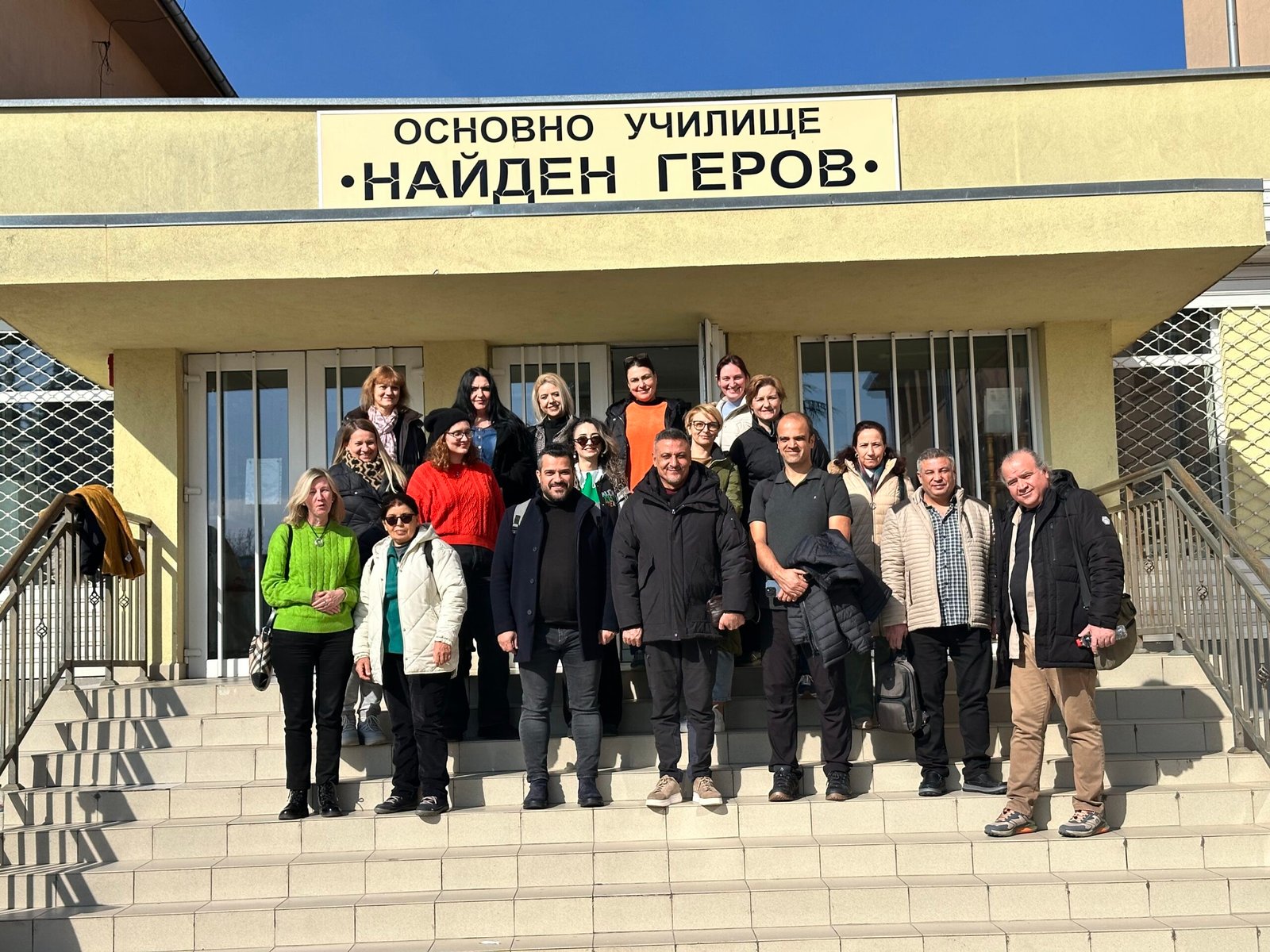
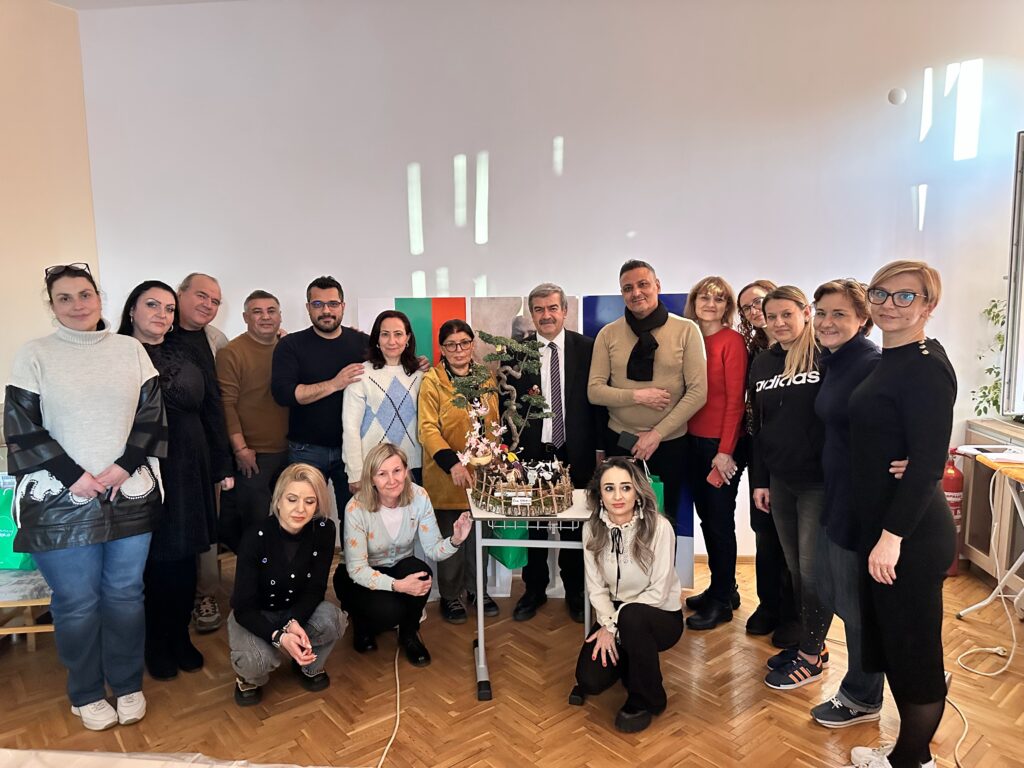
The Erasmus+ “From Waste to Art: Inclusion Through Art” project successfully conducted its comprehensive training program from 10-14 February 2025,in Burgas, Bulgaria bringing together educators and experts from partner institutions. The training aimed to enhance inclusive education practices, promote environmental sustainability in schools, and encourage innovative teaching methods through creative approaches.
Day 1: Creating an Inclusive Classroom Environment
The training began with a session led by Necmettin Erbakan University (NEU), focusing on inclusive education. Participants explored the importance of inclusive teaching, recognising students’ potential, setting clear goals, and organising classroom settings to accommodate diverse needs. The afternoon session introduced student-centred teaching approaches and methods for individualising education. Educators worked on lesson plan adaptations to cater to different learning needs, emphasising effective teaching strategies.
Day 2: Reducing Prejudices and Stereotypes & Effective Use of Waste Materials
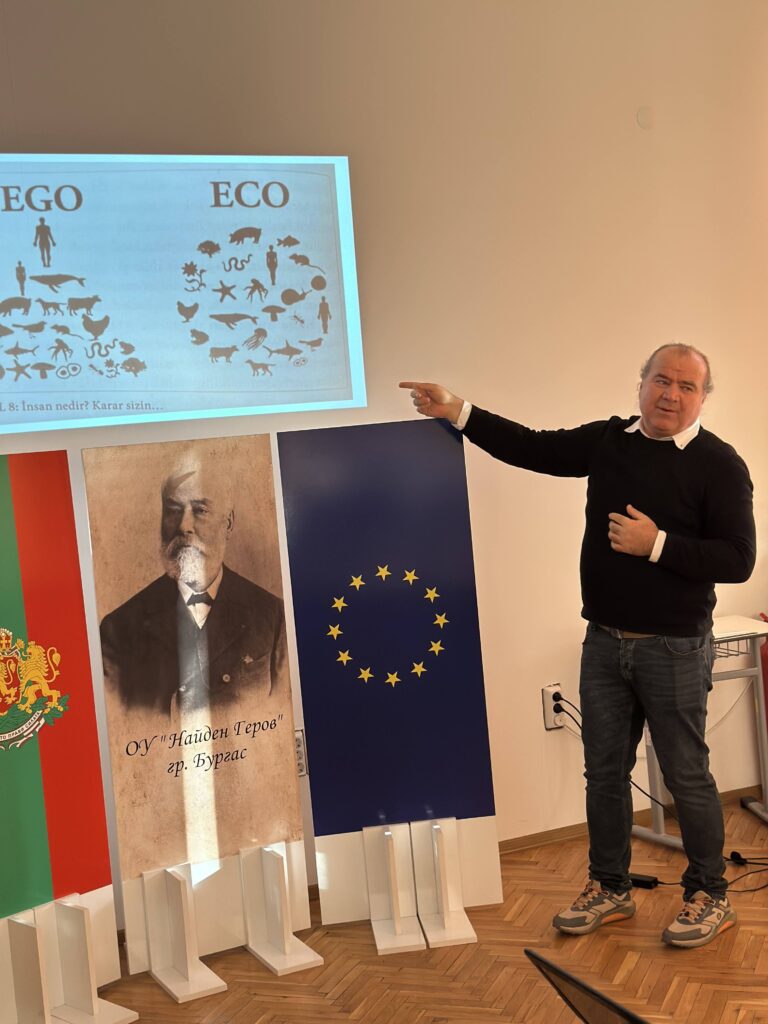
The second day featured Naiden Gerov (Bulgaria) leading discussions on combating stereotypes and prejudices in education. Teachers engaged in activities on awareness-building, fostering empathy, and creating a positive classroom climate.
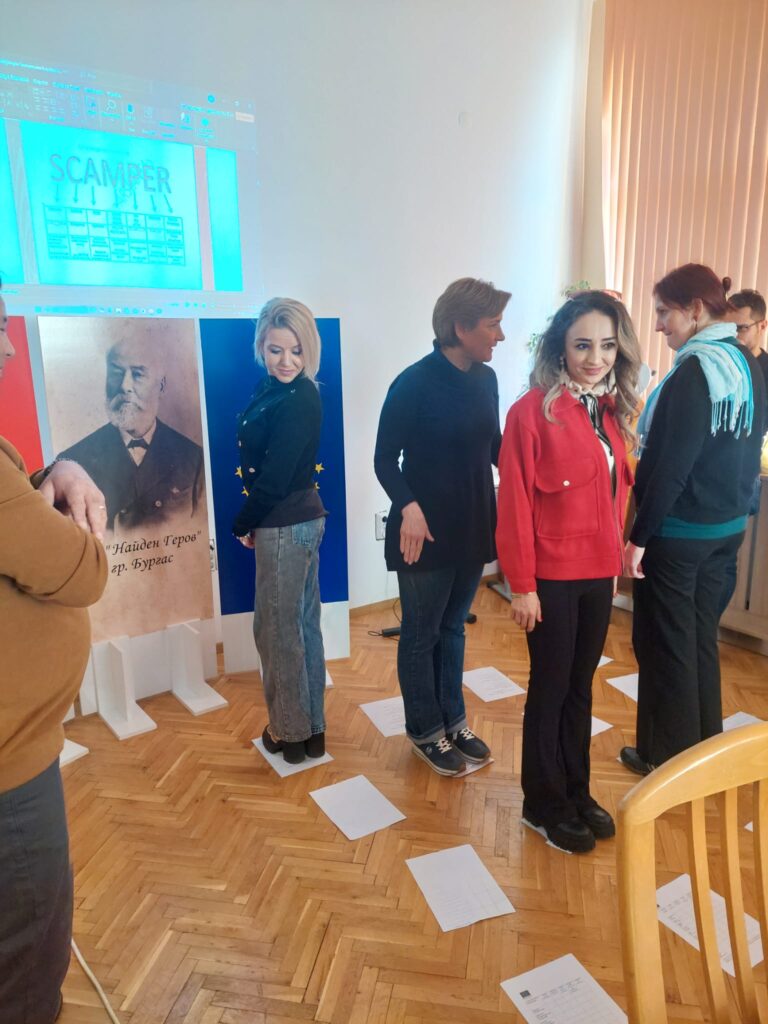
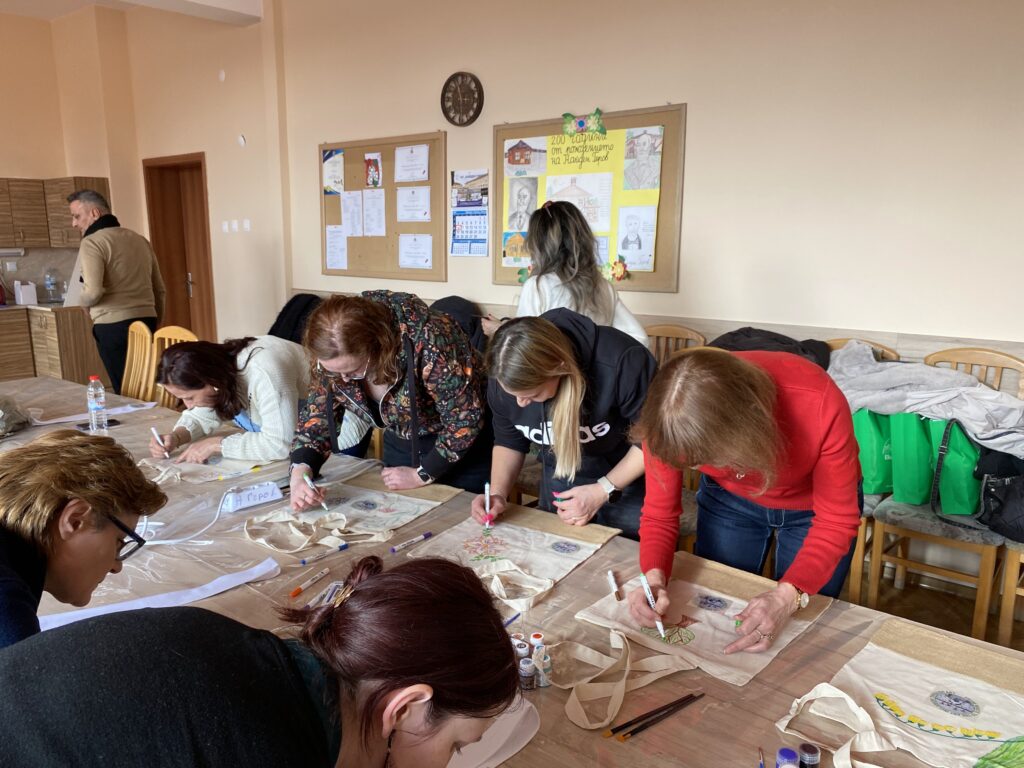
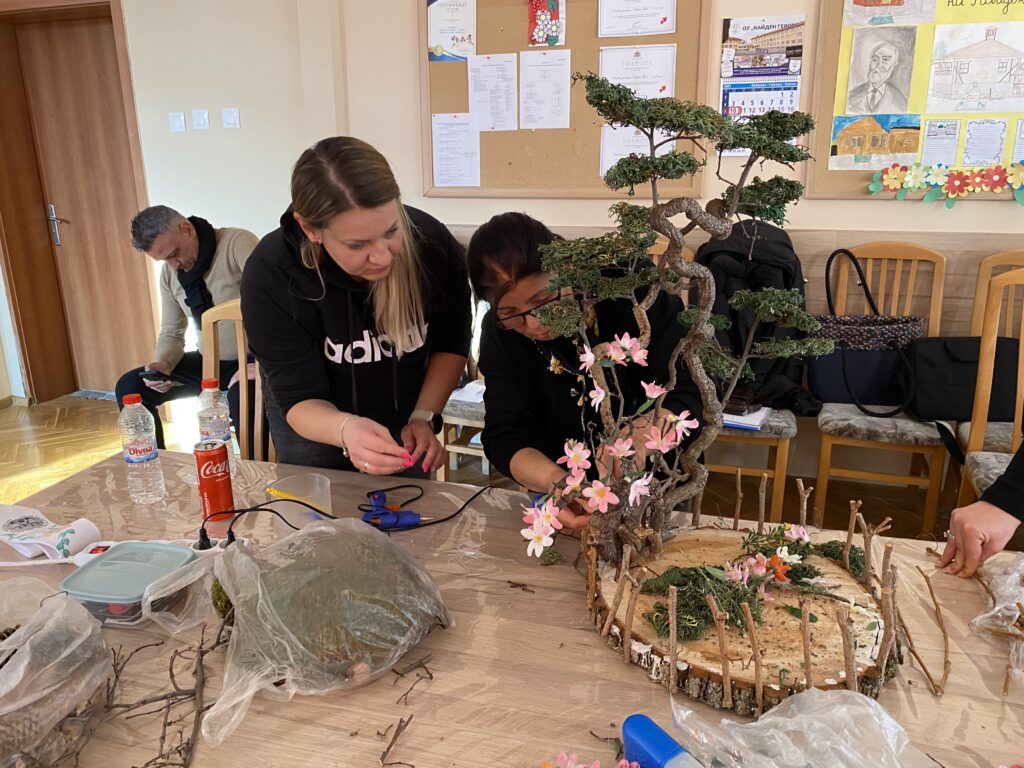
In the afternoon, CEBDER introduced innovative approaches to sustainability in education. Participants explored planning nature trips, designing creative educational materials from waste, and applying the SCAMPER technique to encourage creative recycling initiatives in schools.
Day 3: Co-Teaching and Sustainable School Culture
The morning session, conducted by SPJMS (Poland), focused on co-teaching and interdisciplinary collaboration. Educators discussed effective teamwork strategies, co-teaching methodologies, and cooperation with special education specialists to improve classroom inclusivity.
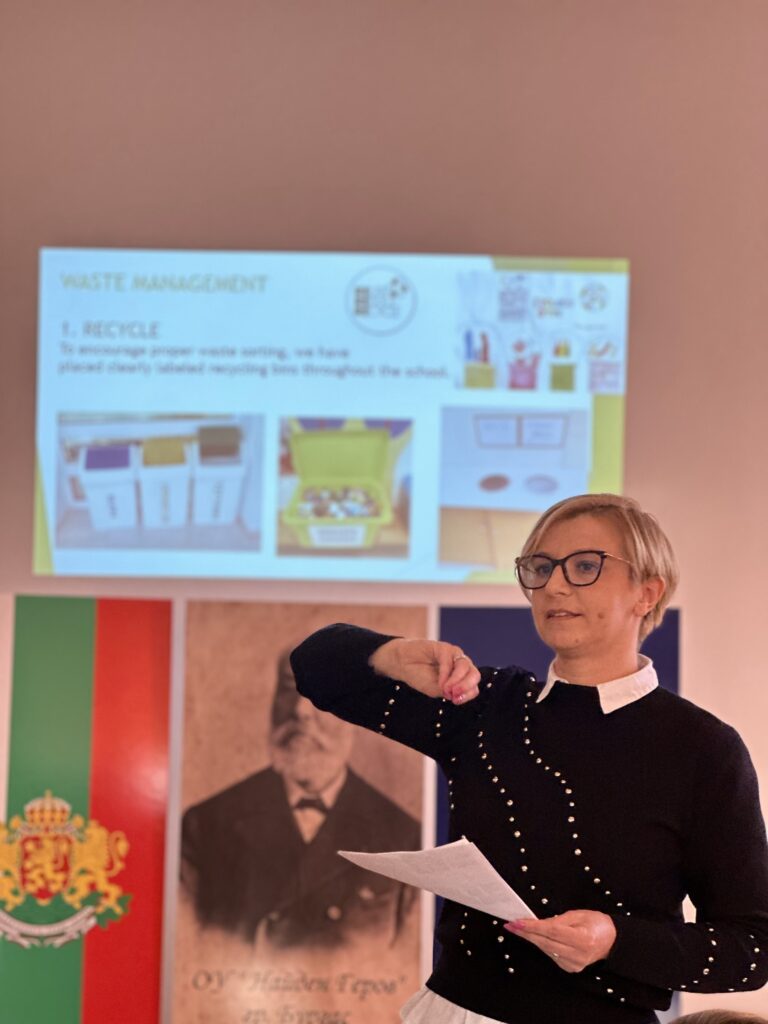
The afternoon was dedicated to creating an environmentally friendly school culture, led by OSTL (Slovenia). Topics included waste minimisation, sustainable material usage in educational settings, and implementing positive behavioural support strategies to develop long-term environmental consciousness in schools.
Day 4: Parental Involvement & Student Evaluation
The morning session, organised by Konya İl MEM, highlighted the role of parental involvement in education. Educators explored effective communication strategies, methods to encourage parental engagement, and developing inclusive communication plans to strengthen collaboration between schools and families.
The afternoon session, led by NEU, provided insights into student assessment and progress tracking. Topics covered included various assessment approaches, data collection techniques, and purpose-oriented evaluations to ensure effective student development monitoring.
Day 5: Planning Local Training & General Evaluation
The final day focused on preparing local training programs in partner schools, coordinated by Konya İl MEM. Educators worked on developing structured templates, designing training topics, and determining implementation schedules.
The program concluded with a general evaluation session, where participants reflected on their learning experiences and discussed future applications of the knowledge gained. Certificates of participation were distributed, marking the successful completion of the training program.
This Erasmus+ project continues to strengthen inclusive education and sustainability in schools, fostering innovative teaching approaches that integrate environmental awareness with educational development.