Kategori: News

  • Children Create Art from Waste: Colourful Easter Decorations from Recycled Materials

    Our school’s activity room has recently turned into a vibrant, creative, and eco-friendly space—thanks to the inspiring efforts within the international Erasmus+ project “From Waste to Art – Inclusion Through Art” (Project No: 2023-2-TR01-KA220-SCH-000170114), funded by the European Union.

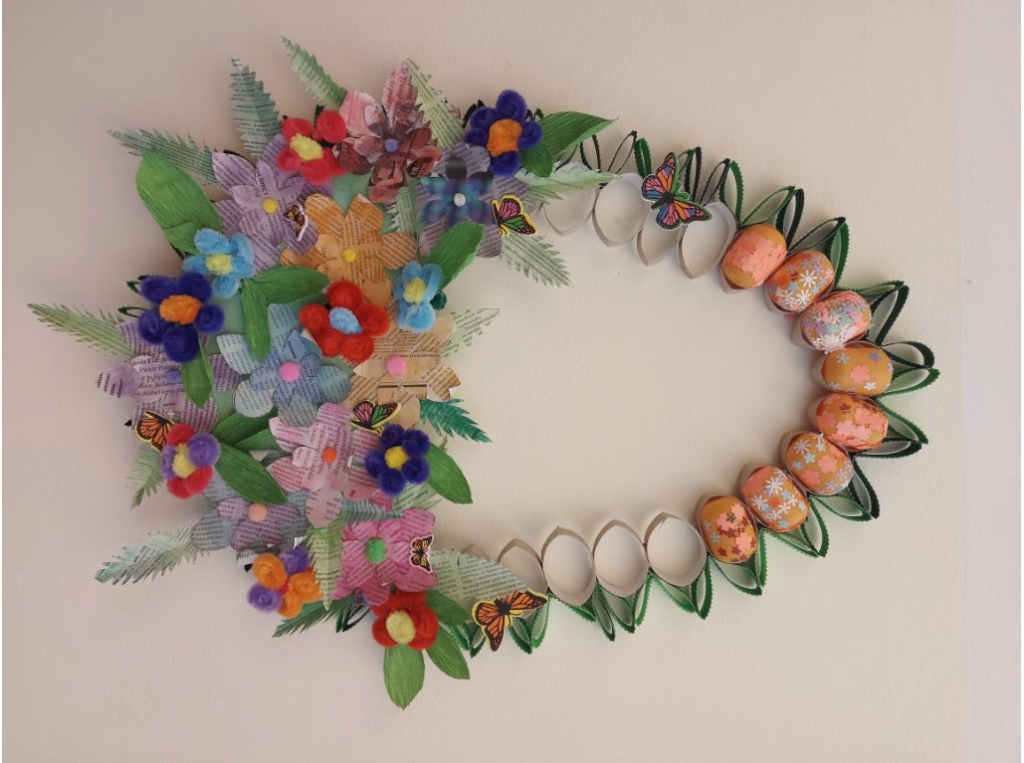
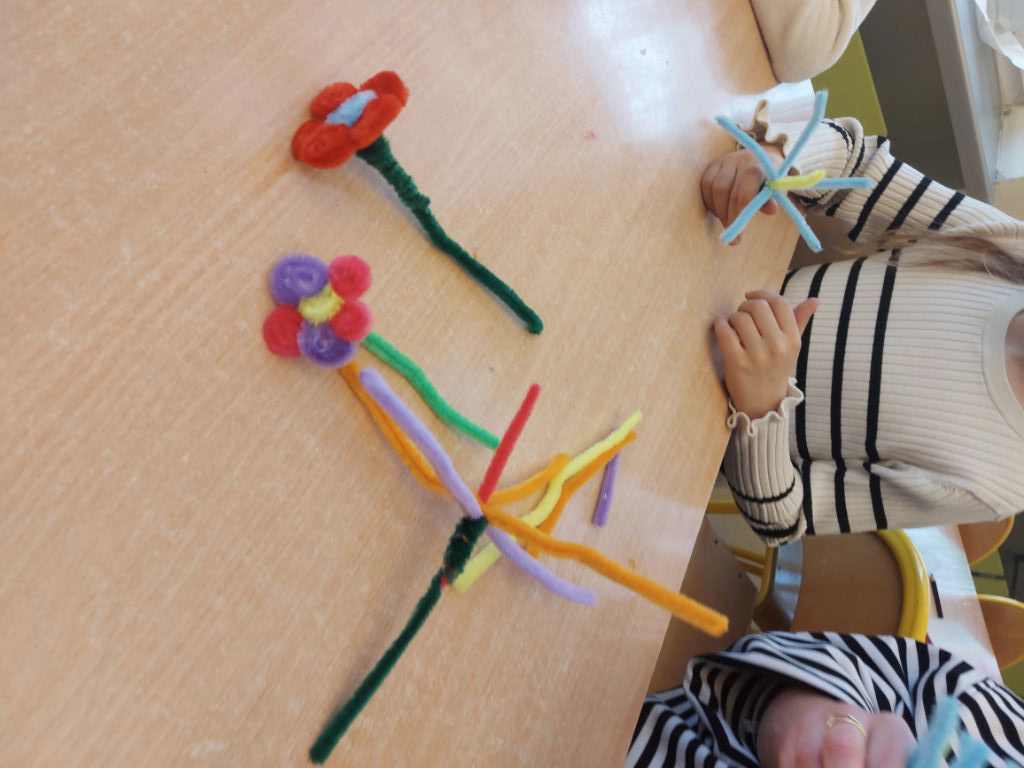
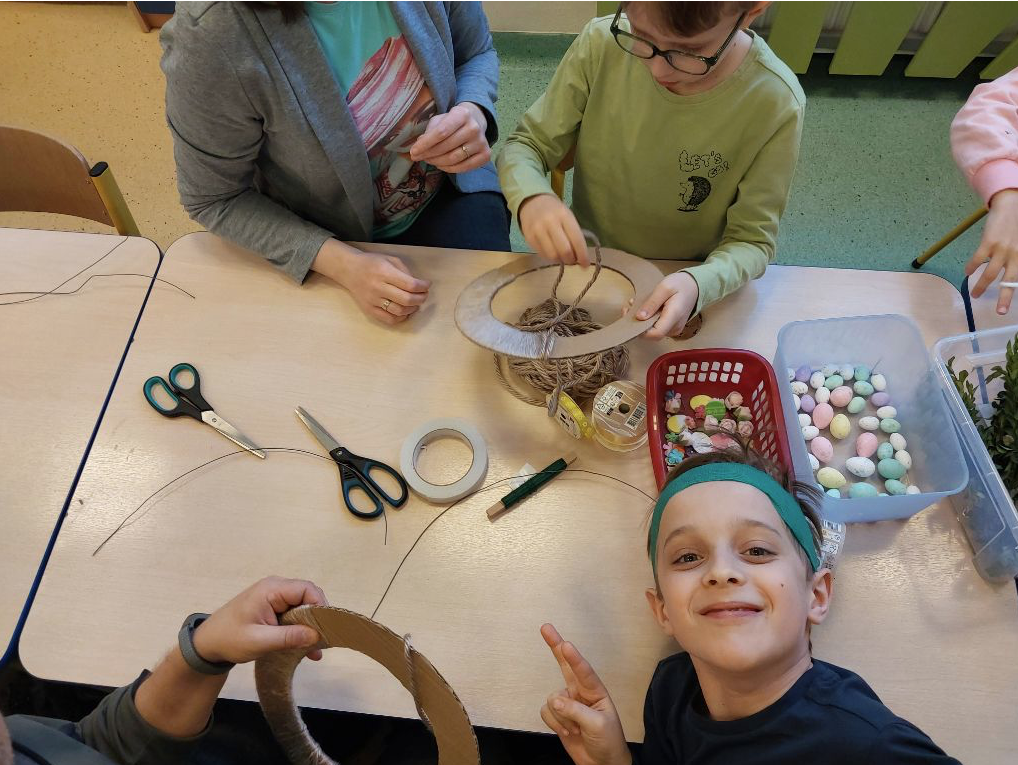
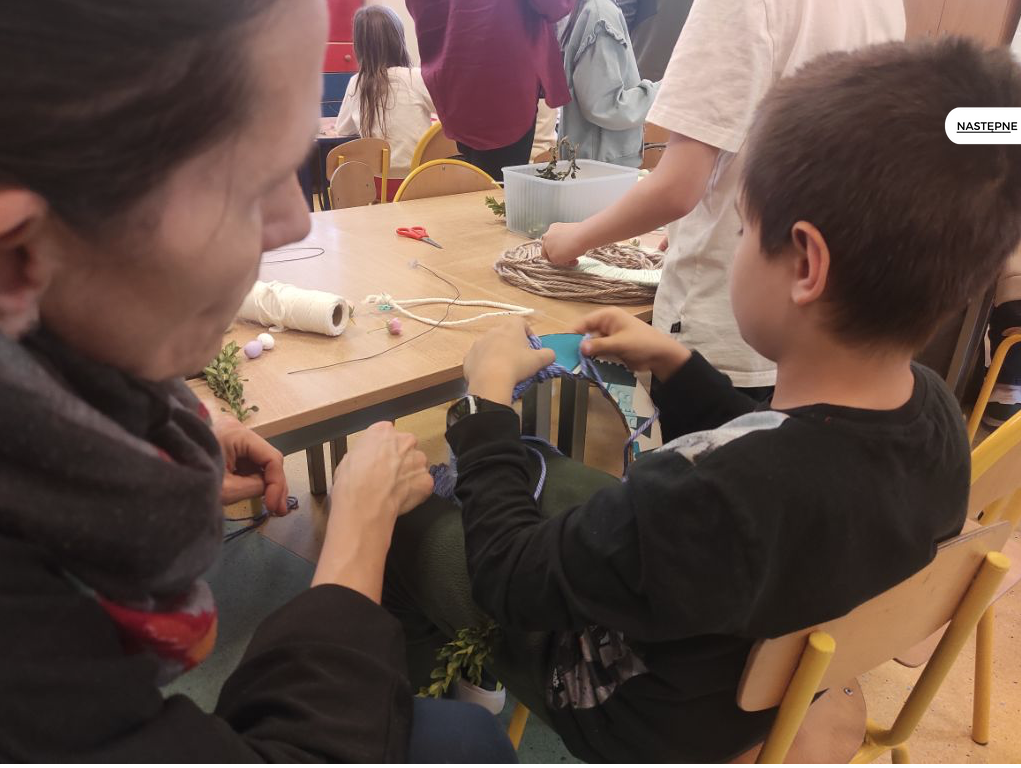
    In the run-up to Easter, children in the after-school club took part in a series of fun and meaningful workshops, where they created Easter decorations using recycled materials—proving that creativity and caring for the environment can go hand in hand.

    Under the guidance of Ms Izabela Strzałka and Ms Elżbieta Adamiec, second-grade students crafted a charming Easter bunny out of paper rolls, which now decorates the classroom doors.

    Meanwhile, Ms Małgorzata Jabłecka-Szmigiel and Ms Ewa Ułamek helped the children plant cress in yellow recycled egg containers, combining nature with upcycling in a brilliant springtime display.

    Third-grade students joined their parents for a Family Easter Workshop, where they created beautiful wreaths and hanging Easter bunnies for windows and doors. The session was organised by Ms Karolina Marek, Ms Marta Felczak, Ms Sylwia Czarnocka, and Ms Katarzyna Zawada.

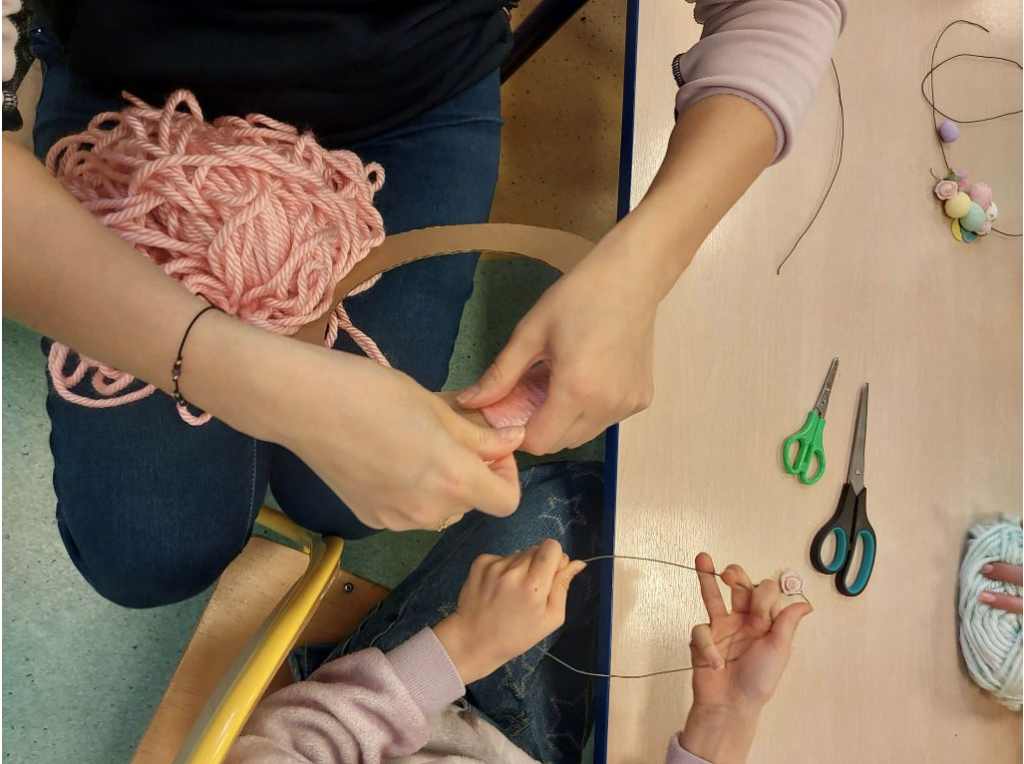
    A special highlight came from our special needs activity room, newly established for the 2024/2025 school year. Under the guidance of Ms Bożena Leszczyńska and Ms Karolina Stańczyk, children with special educational needs planted cress and oats in recycled pots, cared for their plants daily, and proudly watched them grow for the holidays. They also made colourful Easter palms using newspapers, cups, straws, and foil—decorations full of heart and dedication.

    👏 Congratulations to all our creative students and dedicated teachers for their beautiful Easter masterpieces!

    This was a wonderful lesson in creativity, collaboration, and environmental respect—an unforgettable way to celebrate the season and the values at the core of our Erasmus+ project.
  • Innovative Lesson Planning Training in Türkiye

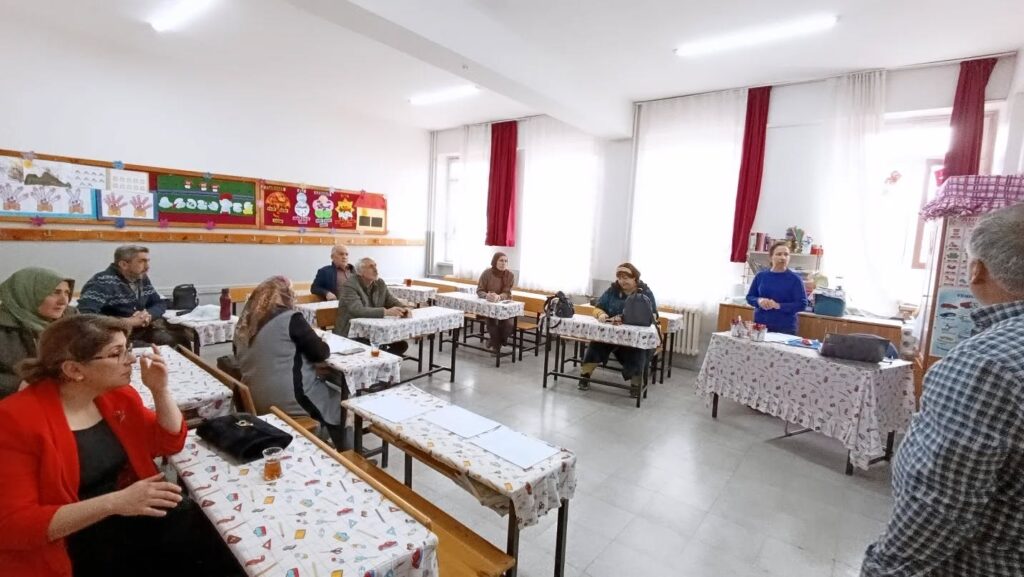
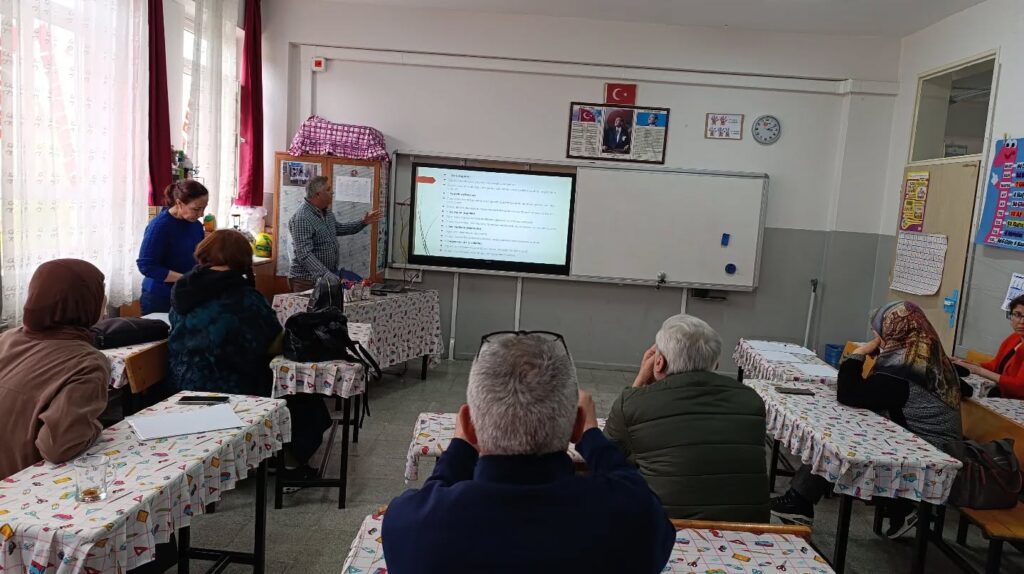
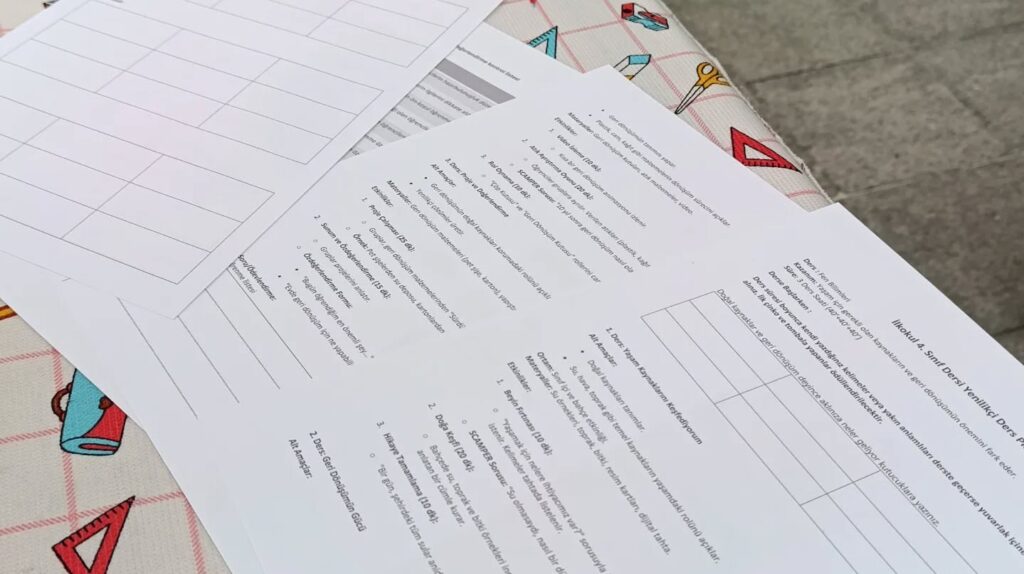
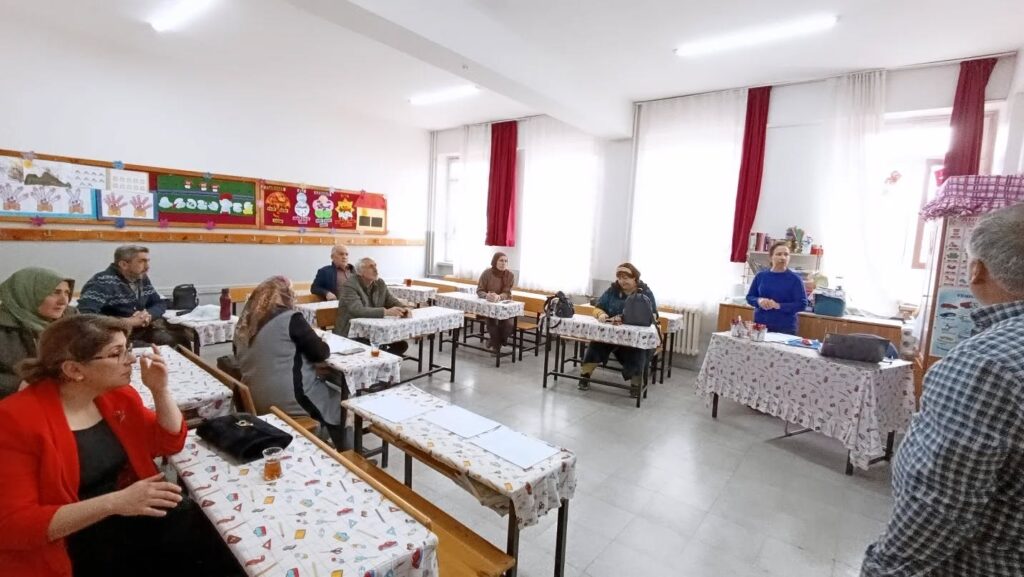
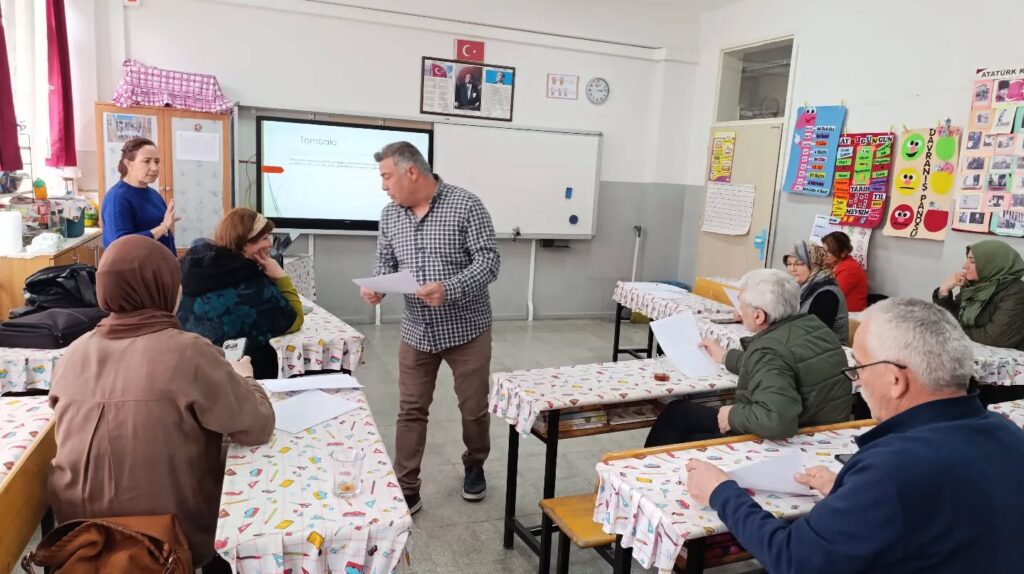
    As part of the Erasmus+ KA220-SCH project “From Waste to Art – Inclusion Through Art” (Project No: 2023-2-TR01-KA220-SCH-000170114), a dissemination training was held for our school’s classroom teachers by our participating teachers Sema Hanoğlu, Serdar Atlı, and Halime Gülbahar Koç, who took part in the “Innovative Lesson Planning” training in Burgas, Bulgaria.

    On the first day of the training, key topics included:

    • The concept of inclusive and integrative education
    • Understanding prejudice in the classroom
    • What makes a lesson plan innovative?
    • The 5E Learning Model
    • The SCAMPER Technique for creative thinking

    The training provided valuable insights to help teachers design more creative, inclusive, and effective lesson plans for their classrooms.

    Guided by the motto “Children don’t recognise differences”, the session featured:

    • Interactive methods such as the Tombola technique
    • Videos supported by real classroom scenarios
    • Concrete examples to demonstrate the innovative planning process

    We sincerely thank all the teachers who contributed to this meaningful training. We proudly share this step forward in creating a more inclusive and creative learning environment for all our students.

  • Tree Planting Event Promotes Inclusion and Environmental Awareness in Erasmus+ Project

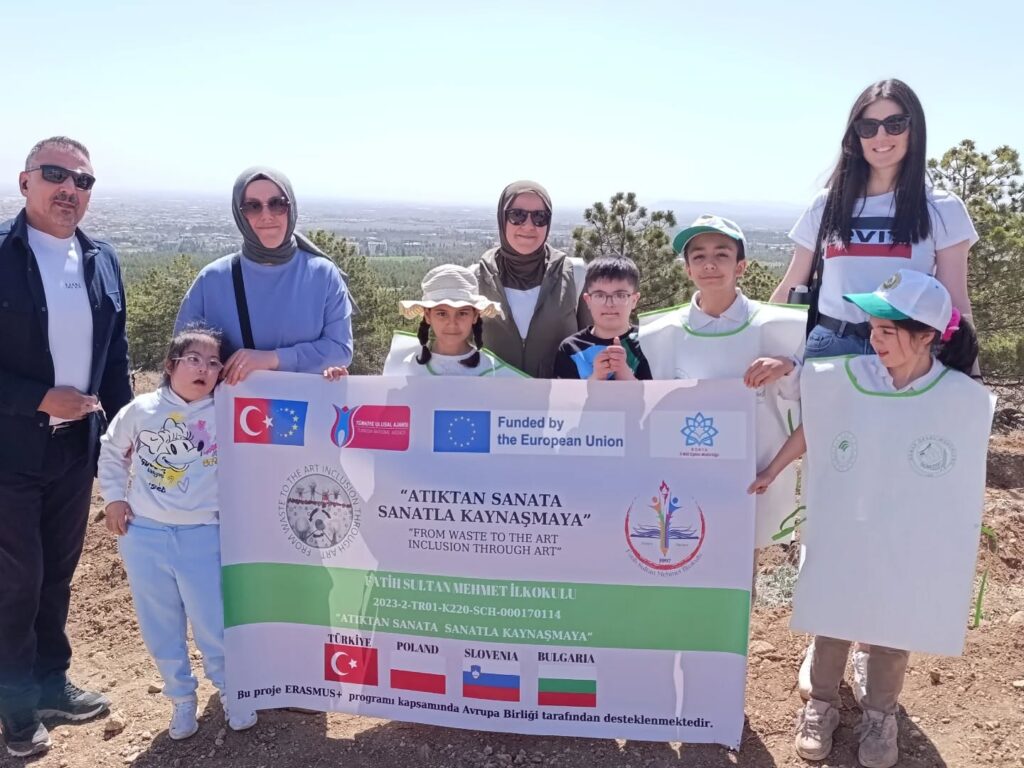
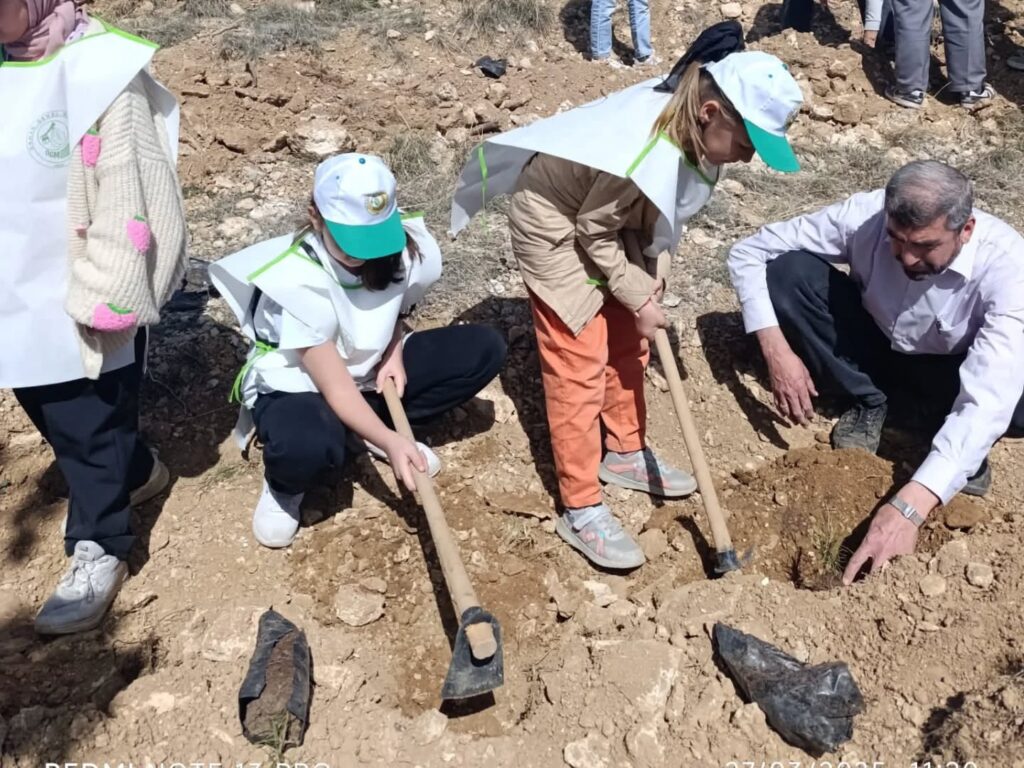
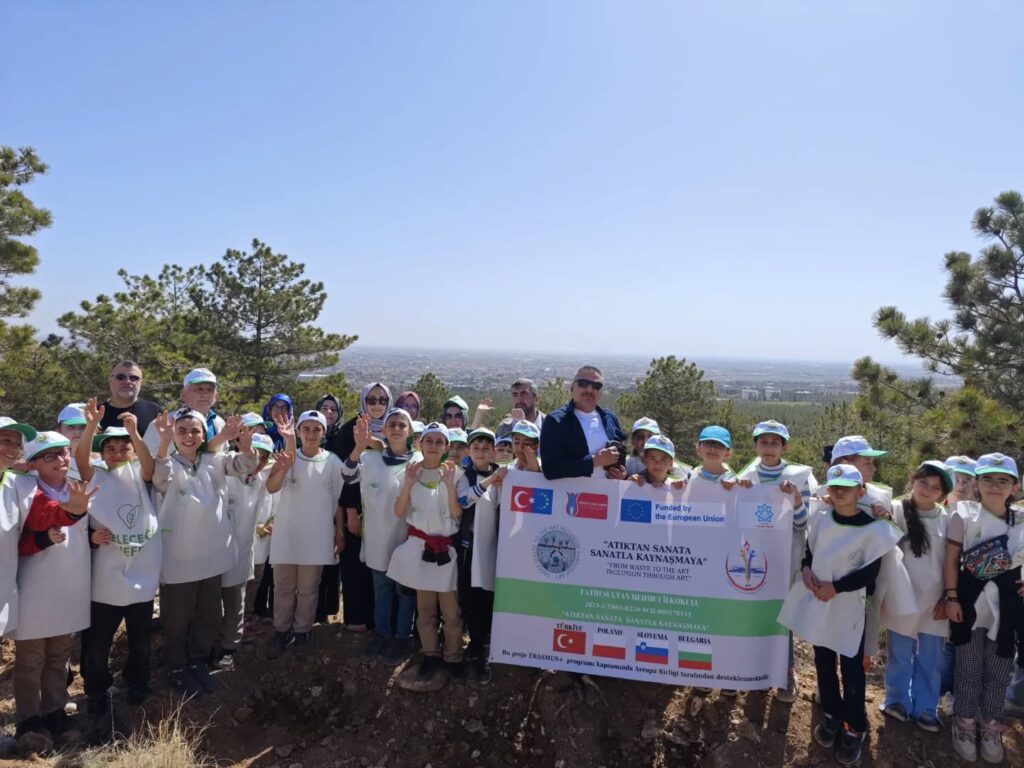
    As part of the Erasmus+ KA220-SCH project “From Waste to Art – Inclusion Through Art” (Project No: 2023-2-TR01-KA220-SCH-000170114), coordinated by Konya Provincial Directorate of National Education, a meaningful tree planting activity was held in Meram Dutlukır Martyrs’ Forest.

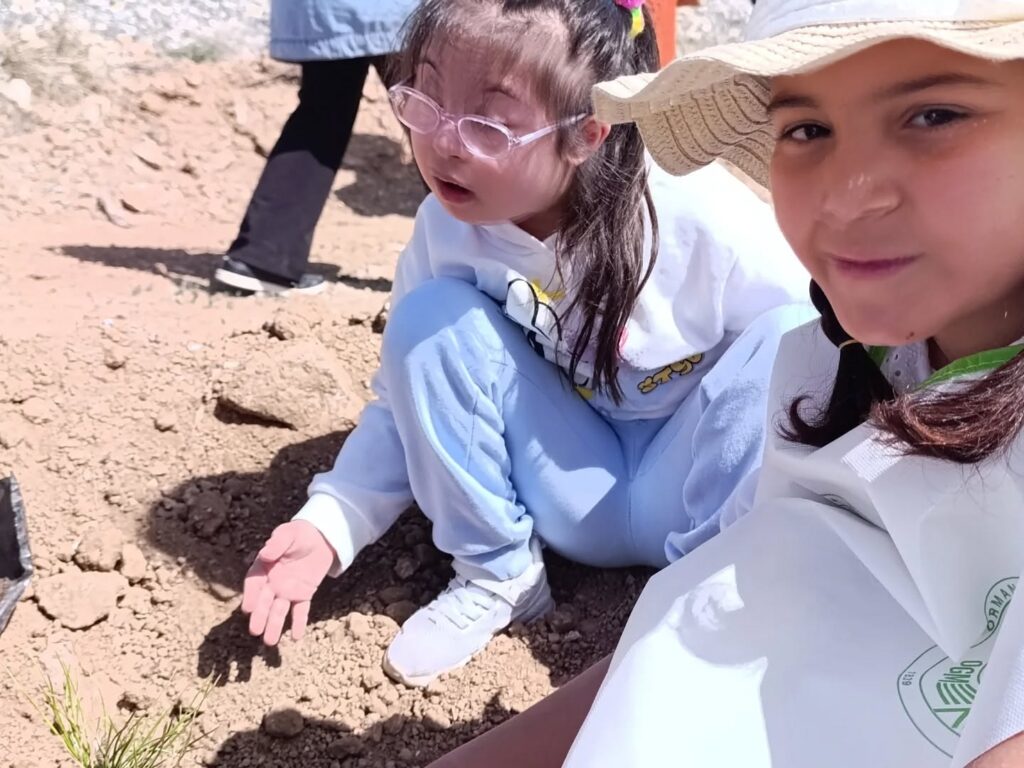
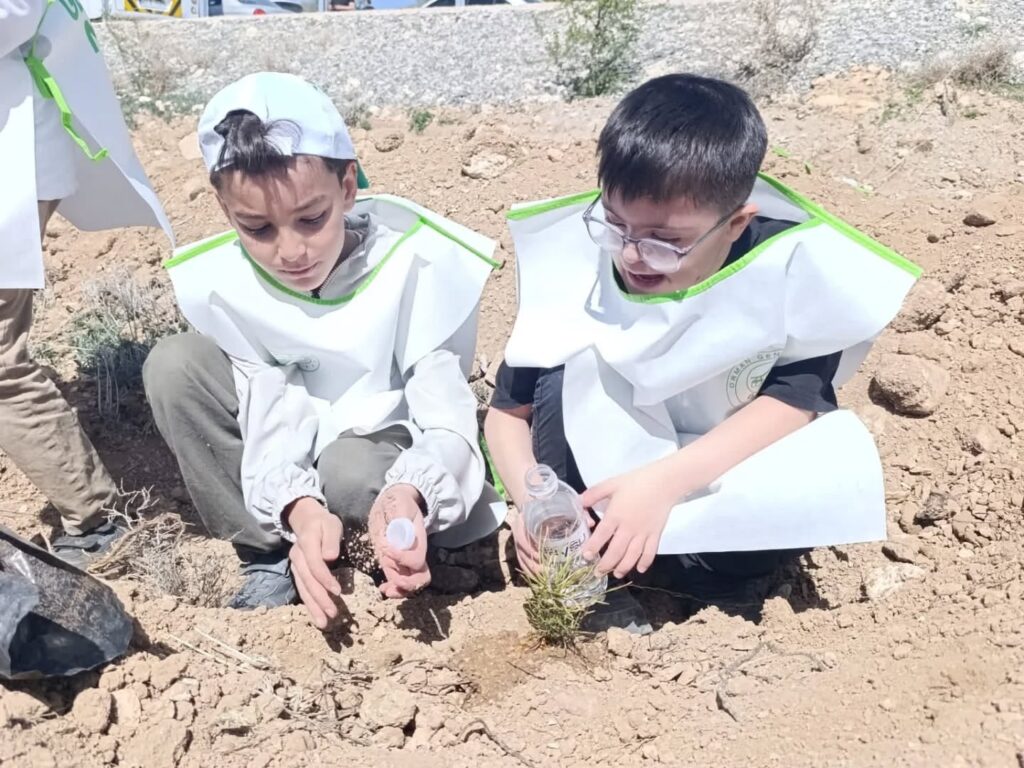
    The event brought together students from special education classes and 4-B and 4-C classes from Fatih Sultan Mehmet Primary School, along with their parents. Together, they planted saplings, watered them, and learned about the importance of protecting the environment.

    More than just an environmental activity, the day became a powerful example of inclusion, cooperation, and friendship. Students with and without disabilities shared joyful moments in nature, strengthening their social bonds and promoting mutual understanding.

    🌳 Let each sapling be a symbol of our growing friendships and the values we share!

    This inspiring event reflected the core goals of the project—environmental responsibility, creativity, and inclusive education—and created unforgettable memories for all participants.

  • Student Mobility in Slovenia: Learning Through Nature and Art

    Student Mobility in Slovenia: Learning Through Nature and Art

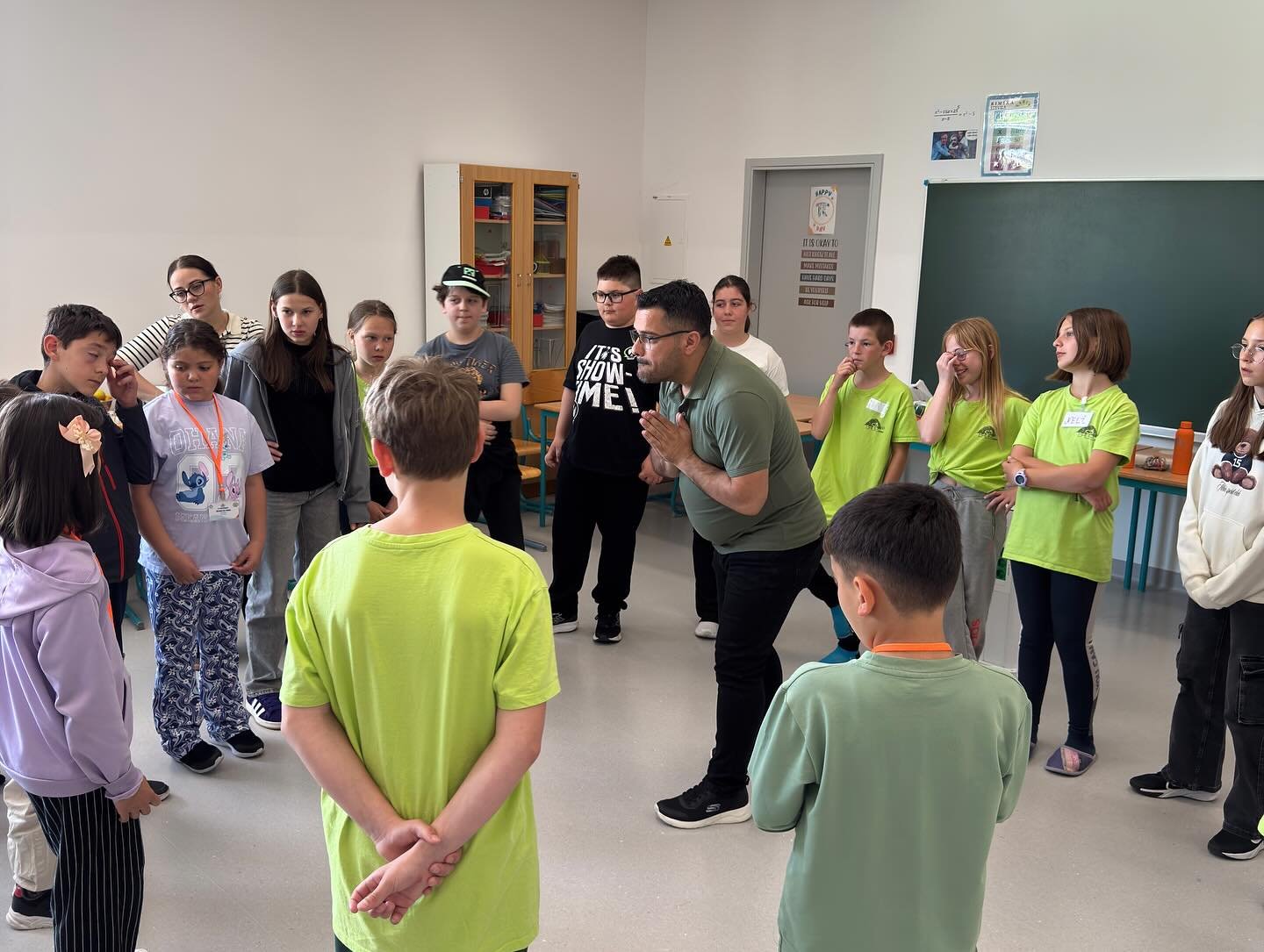
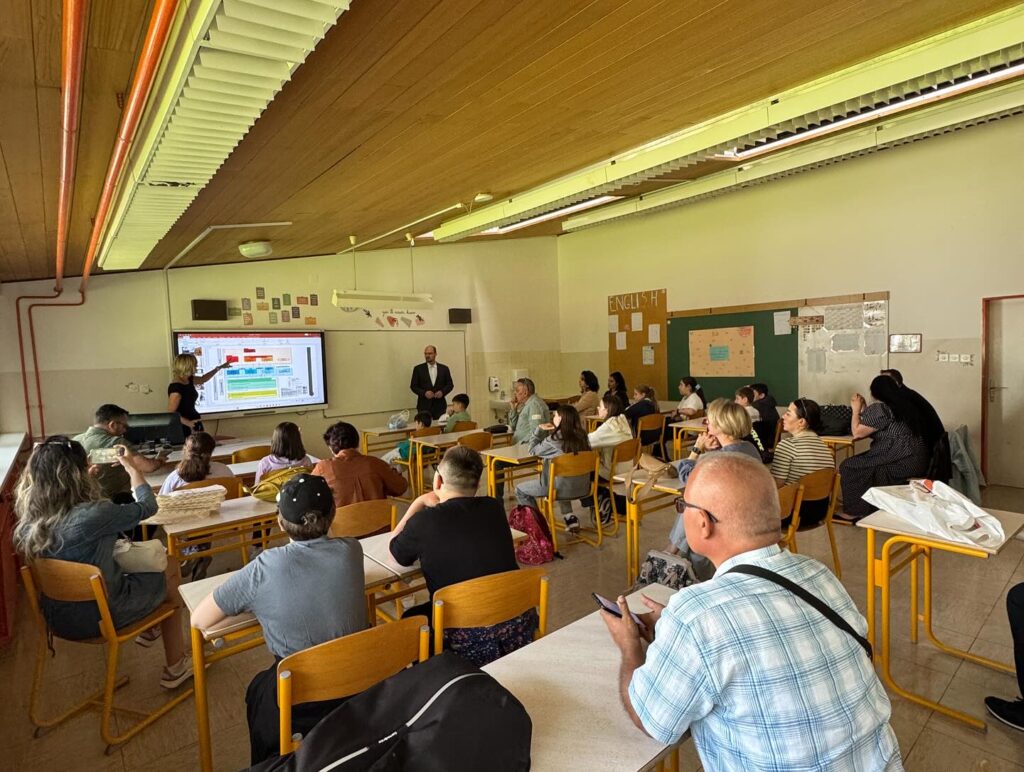
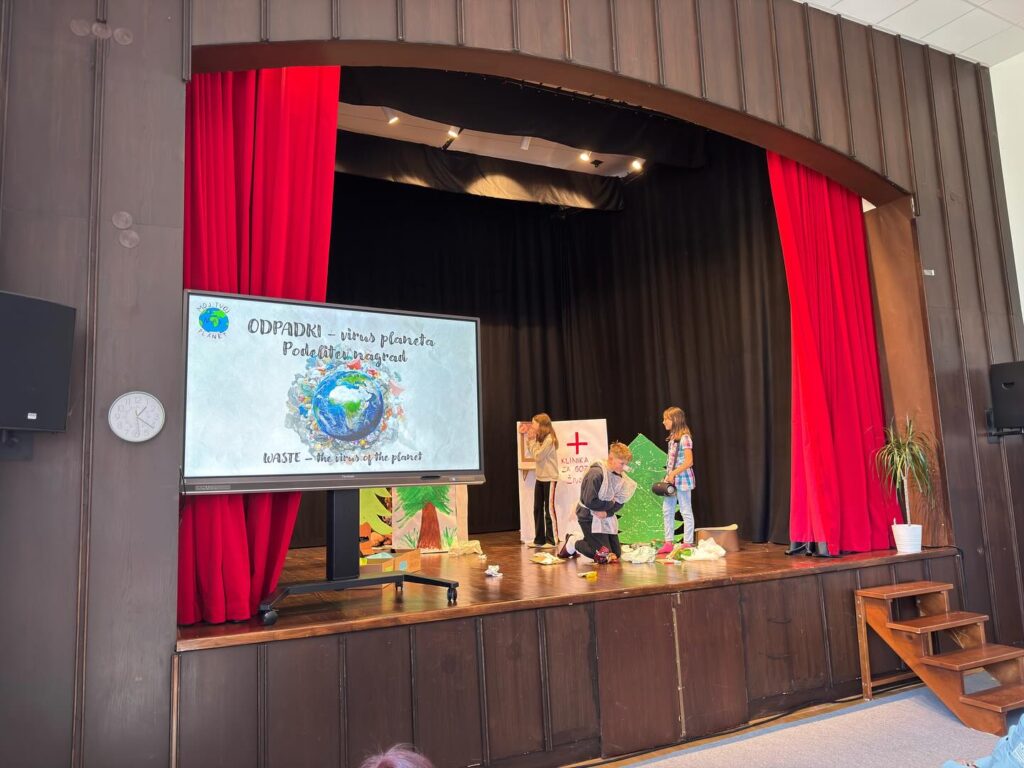
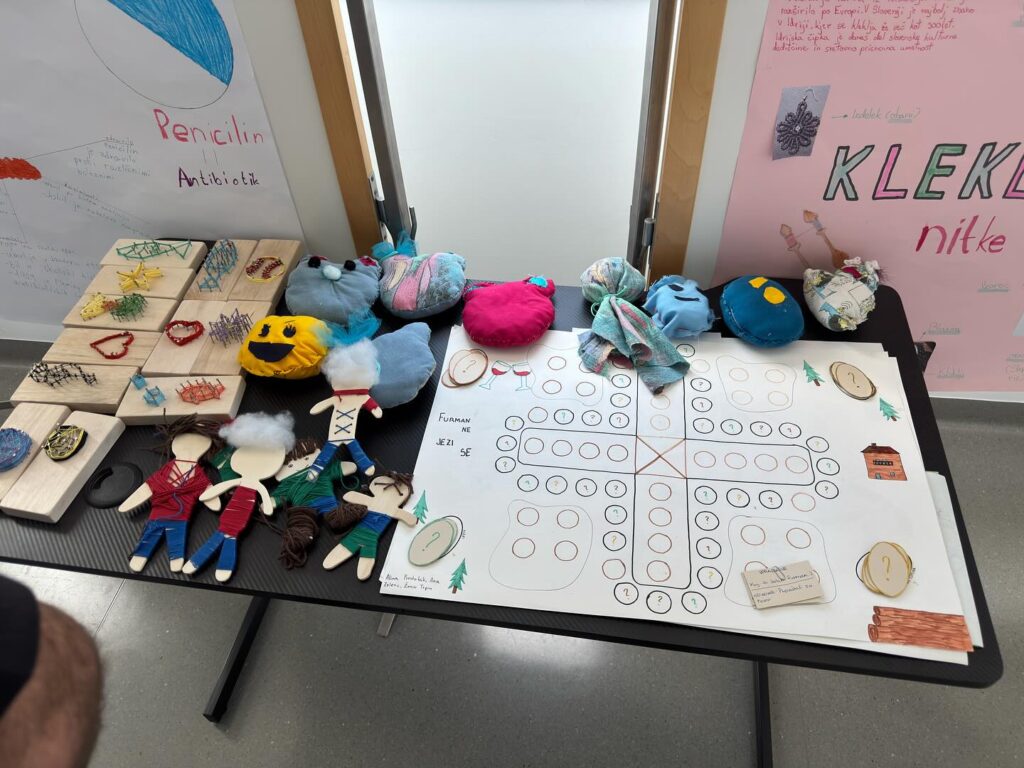
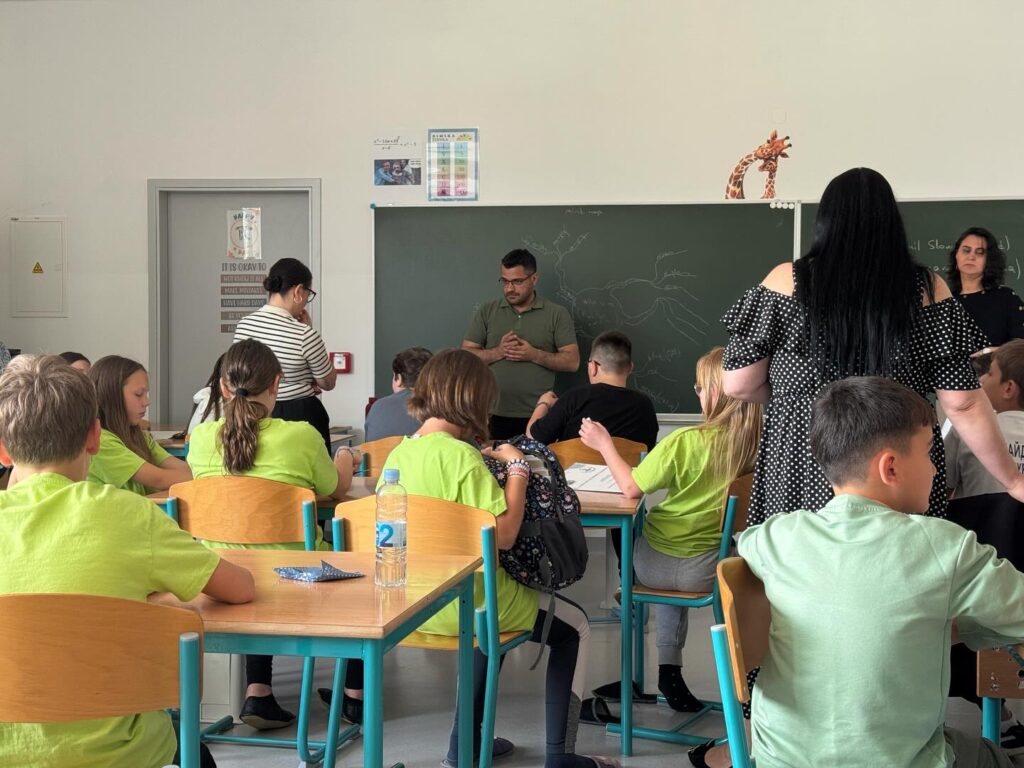
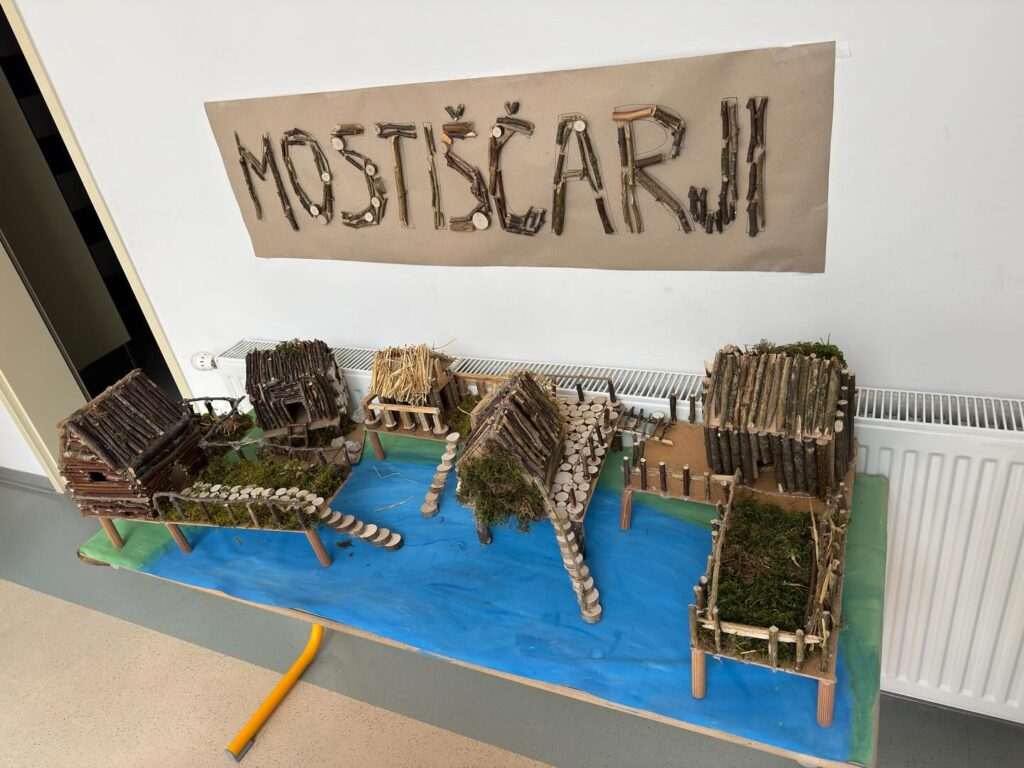
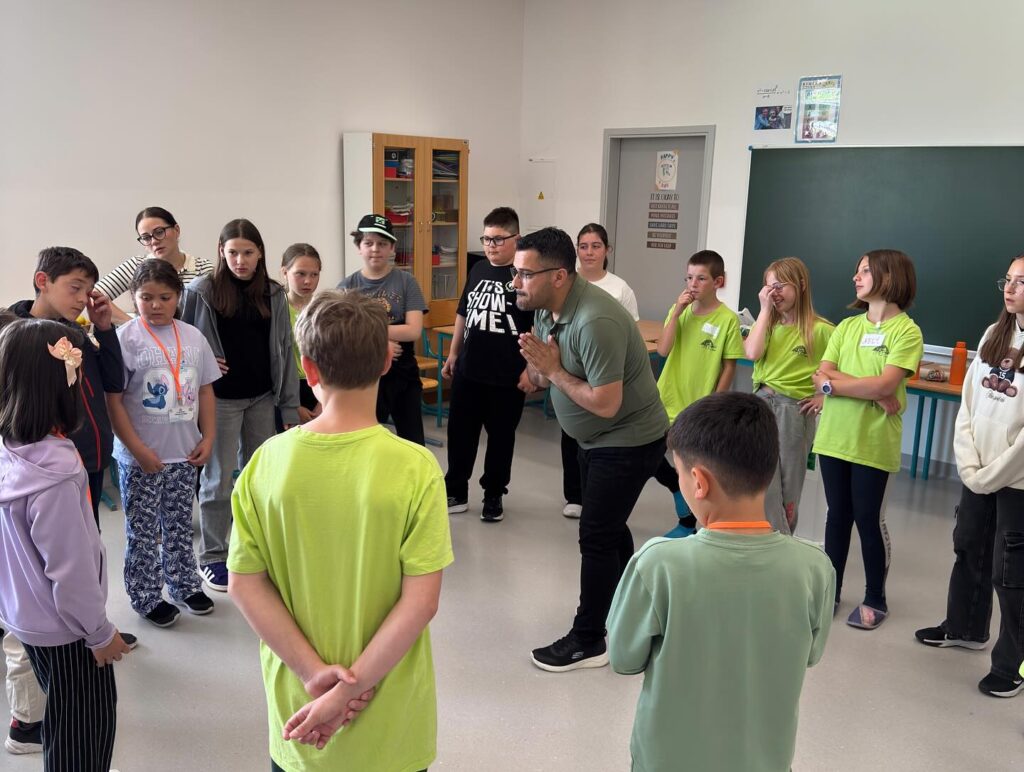
    As part of the Erasmus+ project “From Waste to Art – Inclusion Through Art” (2023-2-TR01-KA220-SCH-000170114), partners from Turkey, Poland, Slovenia, and Bulgaria gathered in Slovenia from 26 to 30 May 2025 for a week of learning, sharing, and collaboration.

    The project promotes inclusion and environmental awareness through creative education. The host school, OŠ Tabor Logatec, welcomed participants with school visits and presentations. Activities included:

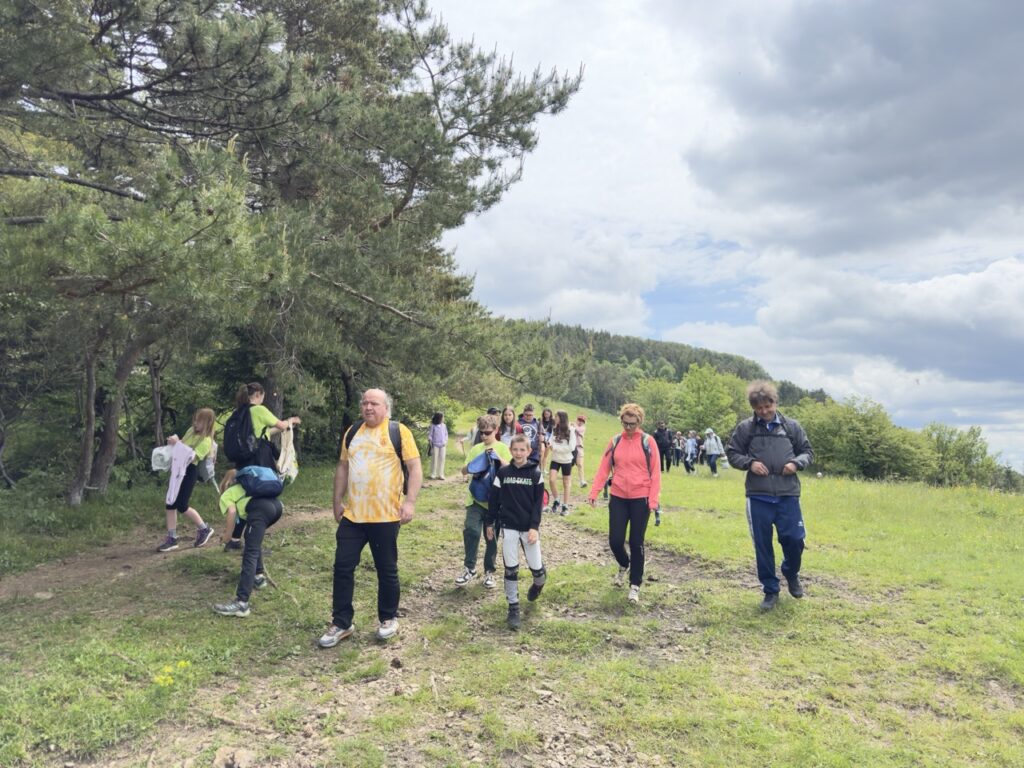
    • A hike to Slivnica mountain, where participants collected waste and played team games.
    • Workshops on co-teaching, green school practices, and working with parents.
    • Sessions on recycling, sustainability, student assessment, and local training planning.

    The event ended with a joint evaluation and certificate ceremony. This meeting helped strengthen international cooperation and inspired new ideas to create more inclusive and eco-friendly schools.

  • Teacher Training Program Successfully Completed

    Teacher Training Program Successfully Completed

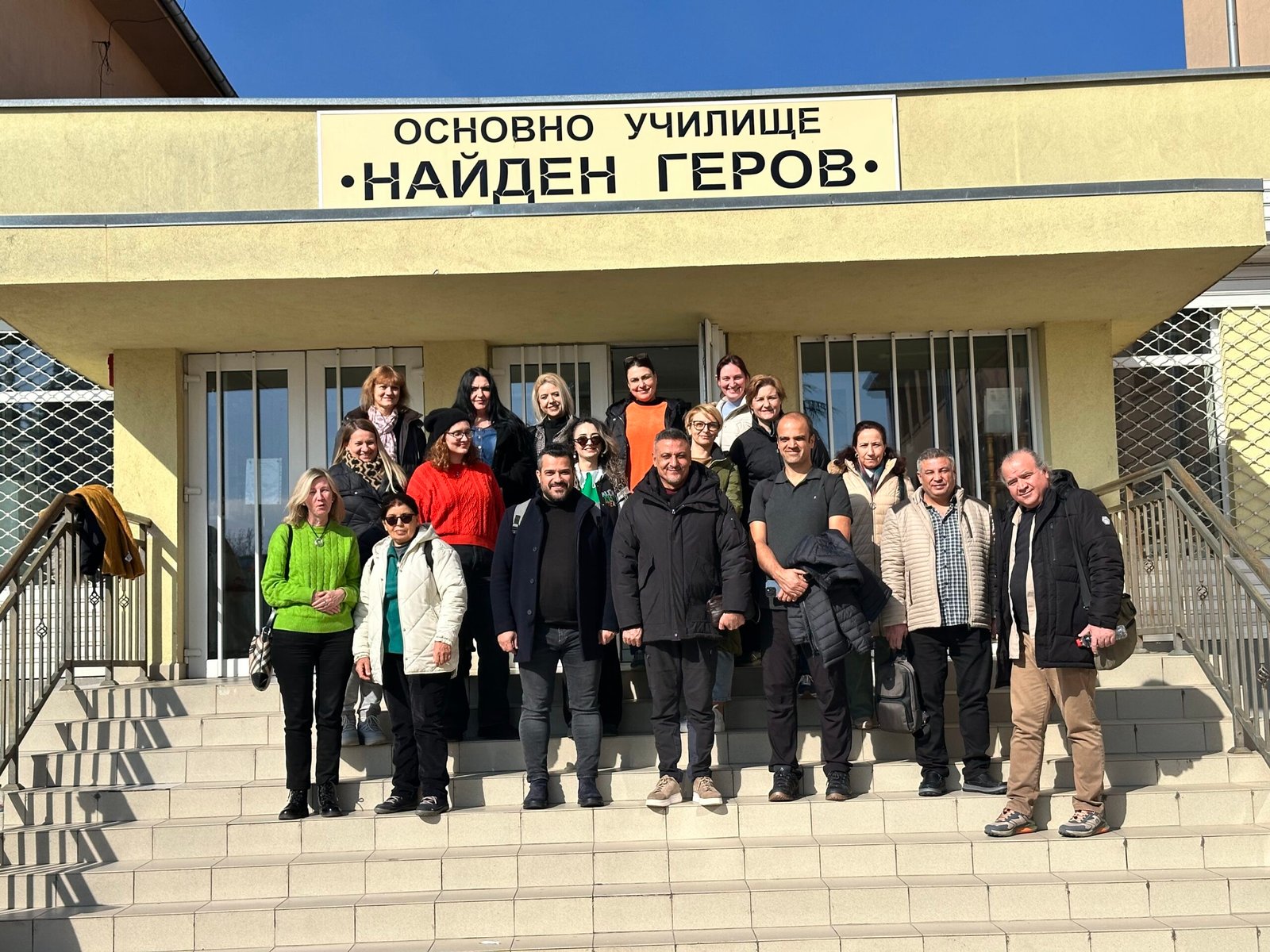
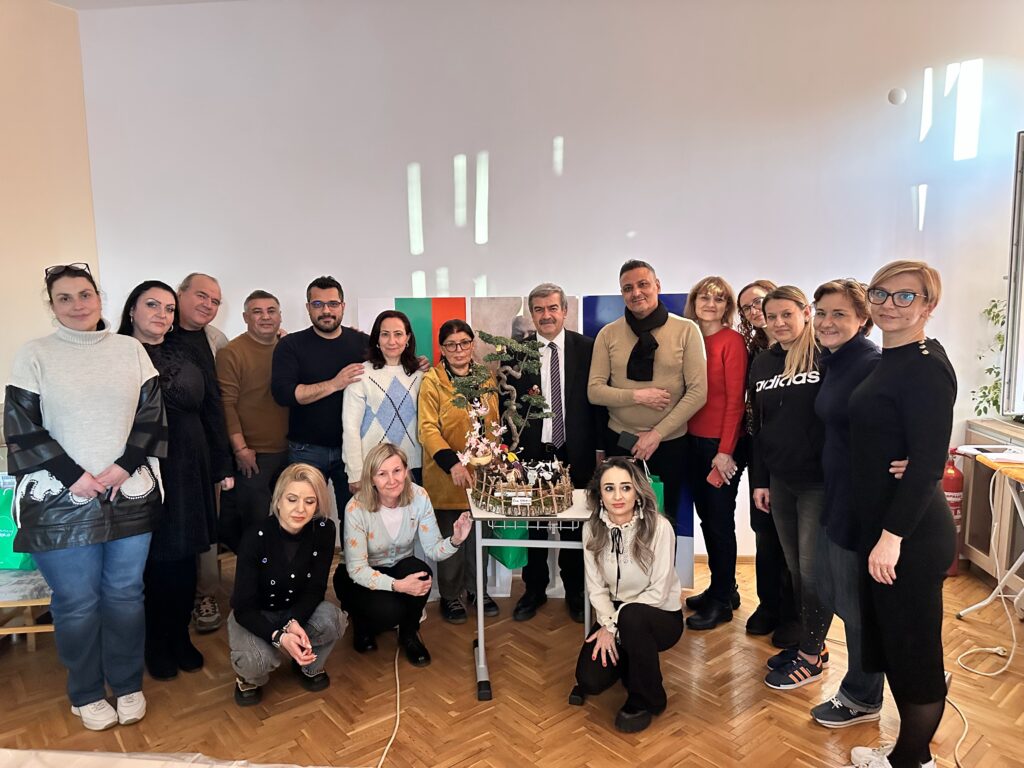
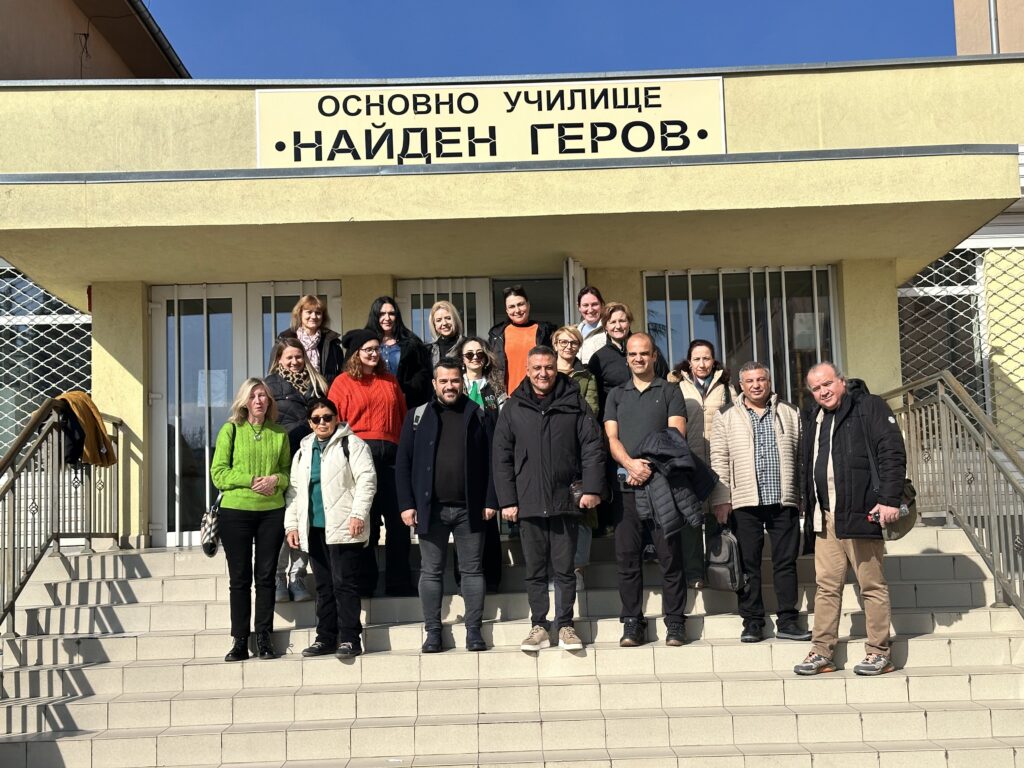
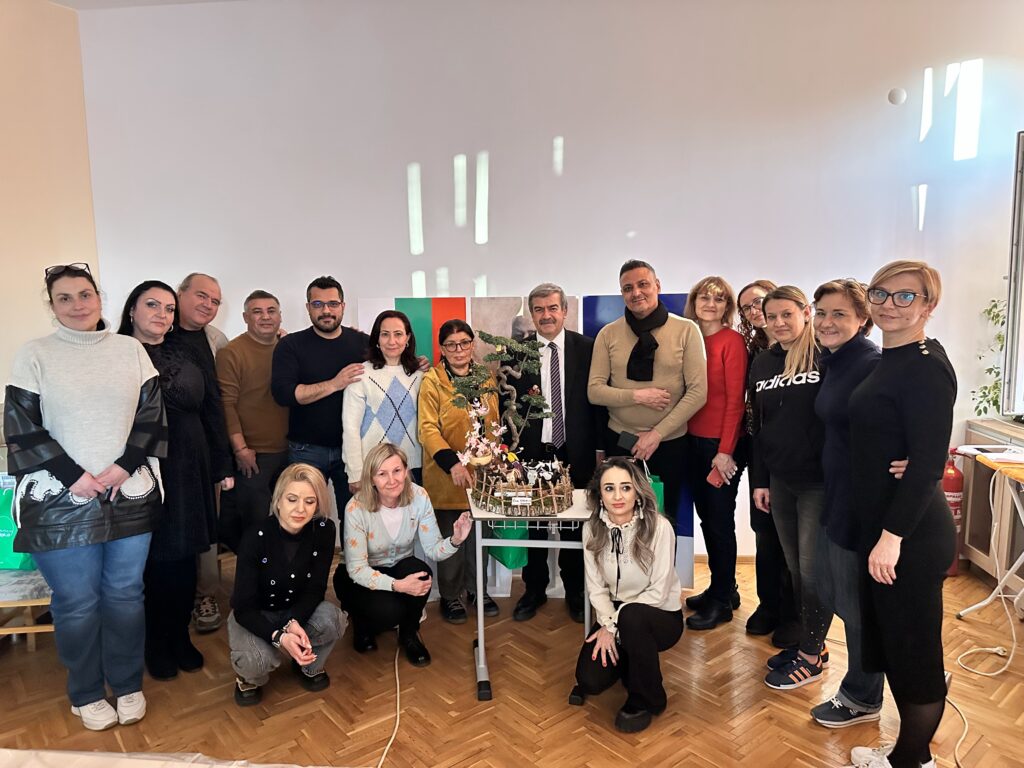
    The Erasmus+ “From Waste to Art: Inclusion Through Art” project successfully conducted its comprehensive training program from 10-14 February 2025,in Burgas, Bulgaria bringing together educators and experts from partner institutions. The training aimed to enhance inclusive education practices, promote environmental sustainability in schools, and encourage innovative teaching methods through creative approaches.

    Day 1: Creating an Inclusive Classroom Environment

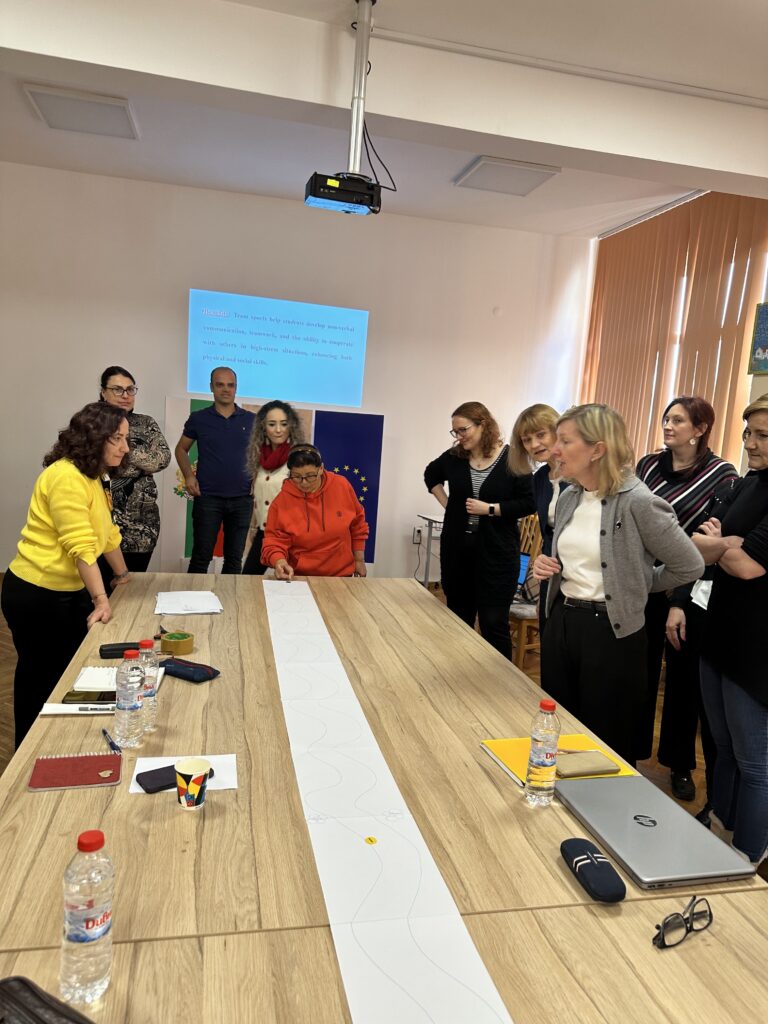
    The training began with a session led by Necmettin Erbakan University (NEU), focusing on inclusive education. Participants explored the importance of inclusive teaching, recognising students’ potential, setting clear goals, and organising classroom settings to accommodate diverse needs. The afternoon session introduced student-centred teaching approaches and methods for individualising education. Educators worked on lesson plan adaptations to cater to different learning needs, emphasising effective teaching strategies.

    Day 2: Reducing Prejudices and Stereotypes & Effective Use of Waste Materials

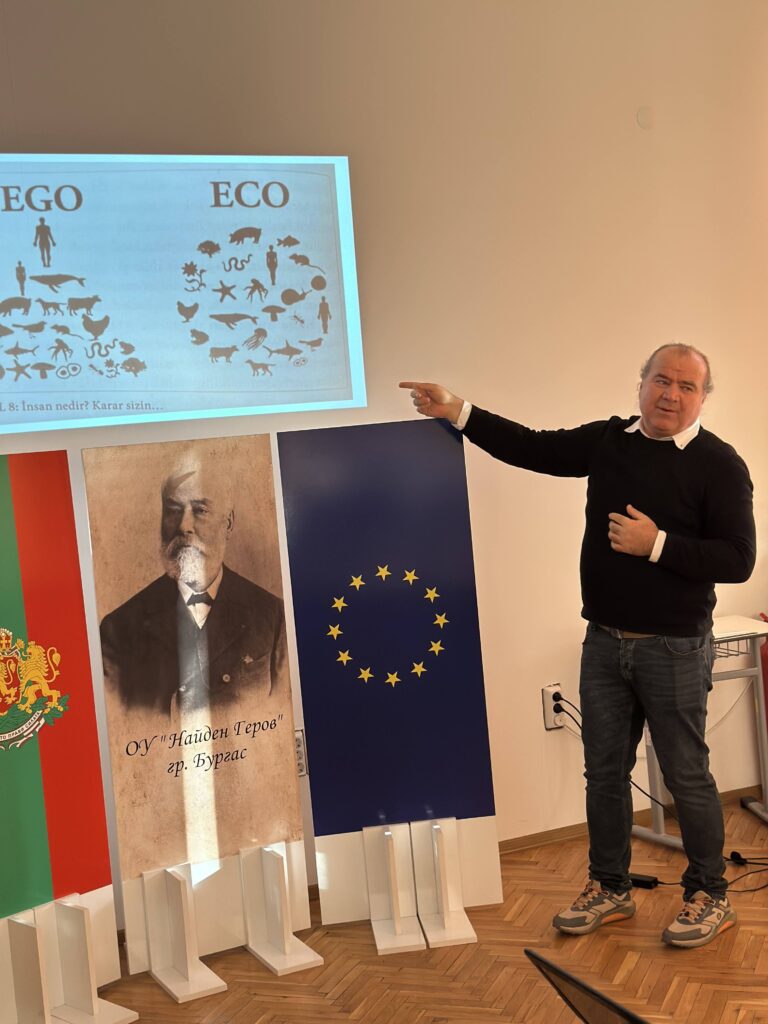
    The second day featured Naiden Gerov (Bulgaria) leading discussions on combating stereotypes and prejudices in education. Teachers engaged in activities on awareness-building, fostering empathy, and creating a positive classroom climate.

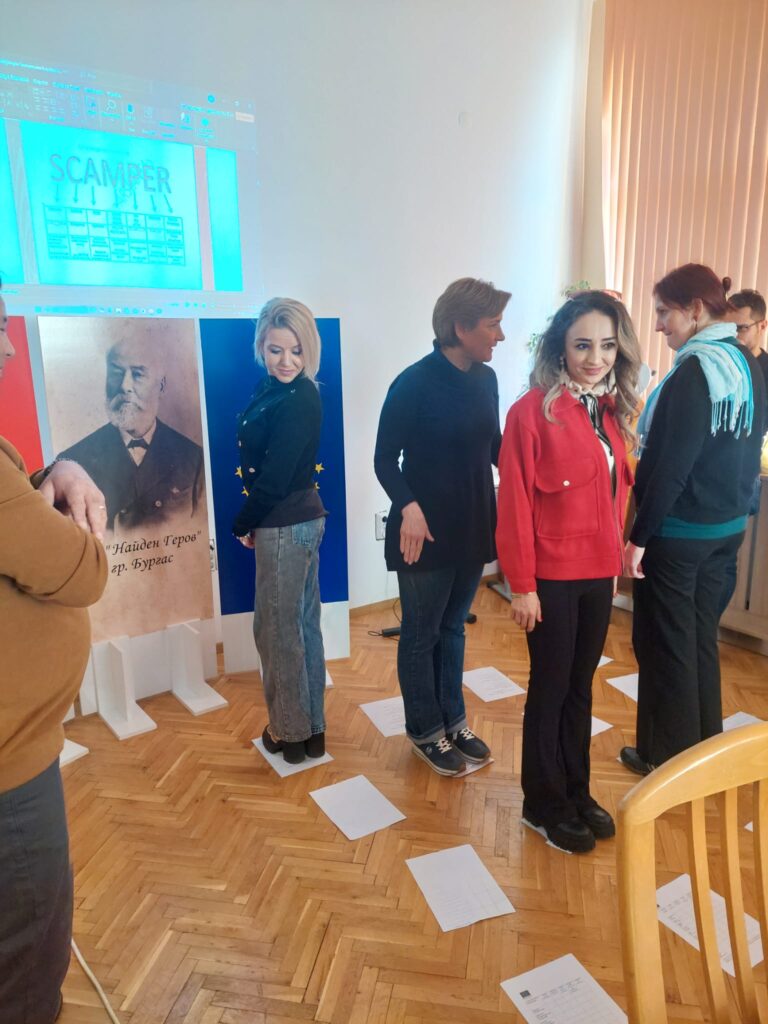
    In the afternoon, CEBDER introduced innovative approaches to sustainability in education. Participants explored planning nature trips, designing creative educational materials from waste, and applying the SCAMPER technique to encourage creative recycling initiatives in schools.

    Day 3: Co-Teaching and Sustainable School Culture

    The morning session, conducted by SPJMS (Poland), focused on co-teaching and interdisciplinary collaboration. Educators discussed effective teamwork strategies, co-teaching methodologies, and cooperation with special education specialists to improve classroom inclusivity.

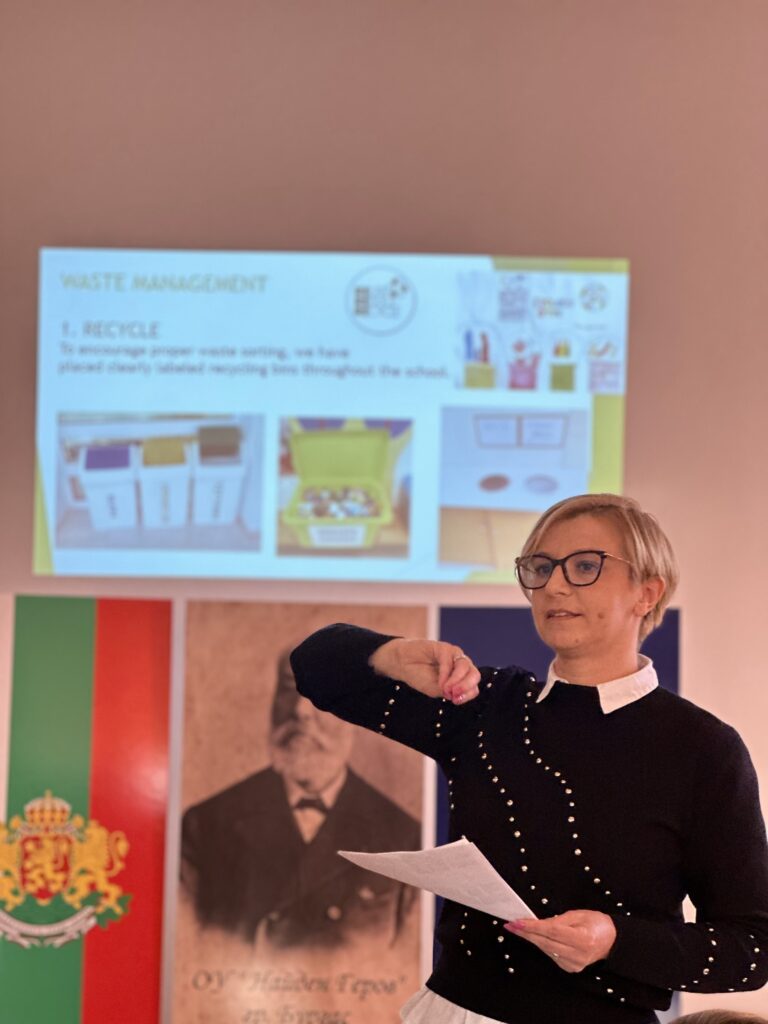
    The afternoon was dedicated to creating an environmentally friendly school culture, led by OSTL (Slovenia). Topics included waste minimisation, sustainable material usage in educational settings, and implementing positive behavioural support strategies to develop long-term environmental consciousness in schools.

    Day 4: Parental Involvement & Student Evaluation

    The morning session, organised by Konya İl MEM, highlighted the role of parental involvement in education. Educators explored effective communication strategies, methods to encourage parental engagement, and developing inclusive communication plans to strengthen collaboration between schools and families.

    The afternoon session, led by NEU, provided insights into student assessment and progress tracking. Topics covered included various assessment approaches, data collection techniques, and purpose-oriented evaluations to ensure effective student development monitoring.

    Day 5: Planning Local Training & General Evaluation

    The final day focused on preparing local training programs in partner schools, coordinated by Konya İl MEM. Educators worked on developing structured templates, designing training topics, and determining implementation schedules.

    The program concluded with a general evaluation session, where participants reflected on their learning experiences and discussed future applications of the knowledge gained. Certificates of participation were distributed, marking the successful completion of the training program.

    This Erasmus+ project continues to strengthen inclusive education and sustainability in schools, fostering innovative teaching approaches that integrate environmental awareness with educational development.

  • Kickoff Meeting was held in Warsaw

    Kickoff Meeting was held in Warsaw

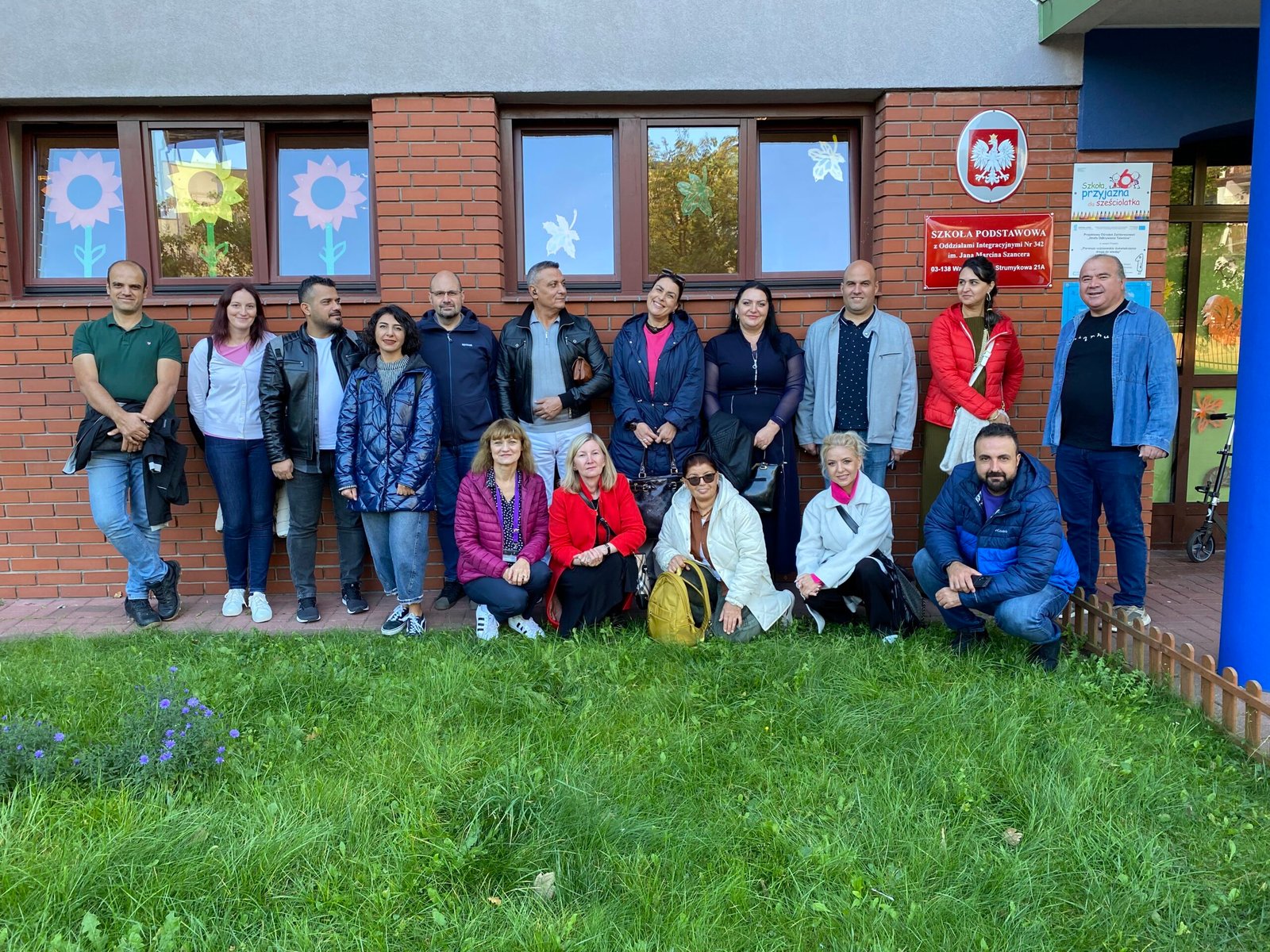
    1st meeting of Atıktan Sanata Sanatla Kaynaşmaya (“From Waste to Art – Inclusion Through Art”) was organized in Warsaw, Poland on 7-8 October, 2024

    We have met with our project partners from 7 different institutions for the first meeting of our KA220 Strategic Partnership project in the field of Erasmus + School Education named “From Waste to Art to the Art”, coordinated by Konya Provincial Directorate of National Education.

    During the meeting partners have discussed the project tasks, activities and responsibilities. Project coordinator Emrah Koçak introduced project management tool to the partners and how to use them.

    Key Highlights of the Kickoff Meeting

    Project Management Tools and Strategies

    The meeting began with an introduction to the project’s management tools, ensuring efficient coordination among partners. Clear timelines, deliverables, and communication channels were established to streamline activities over the project’s 24-month duration.

    Creative Logo Suggestions

    Partner schools enthusiastically presented their logo designs, each reflecting the project’s core themes of inclusivity, sustainability, and creativity. The final logo will embody the collective vision of the participating organisations.

    Research and Preparation

    Partners discussed the research phase, emphasizing the importance of understanding best practices in inclusive education and eco-friendly art. Action points for each partner were outlined to ensure comprehensive preparation.

    E-Twinning Project Launch

    An exciting e-Twinning initiative was introduced to enhance collaboration among teachers and students. This platform will enable participants to share ideas, showcase their creations, and foster international connections.

    Dissemination Plan

    A detailed dissemination plan was established, with each partner outlining their responsibilities. Activities include local workshops, social media campaigns, and publications to ensure the project’s visibility and impact.

    Hands-On Artistic Work

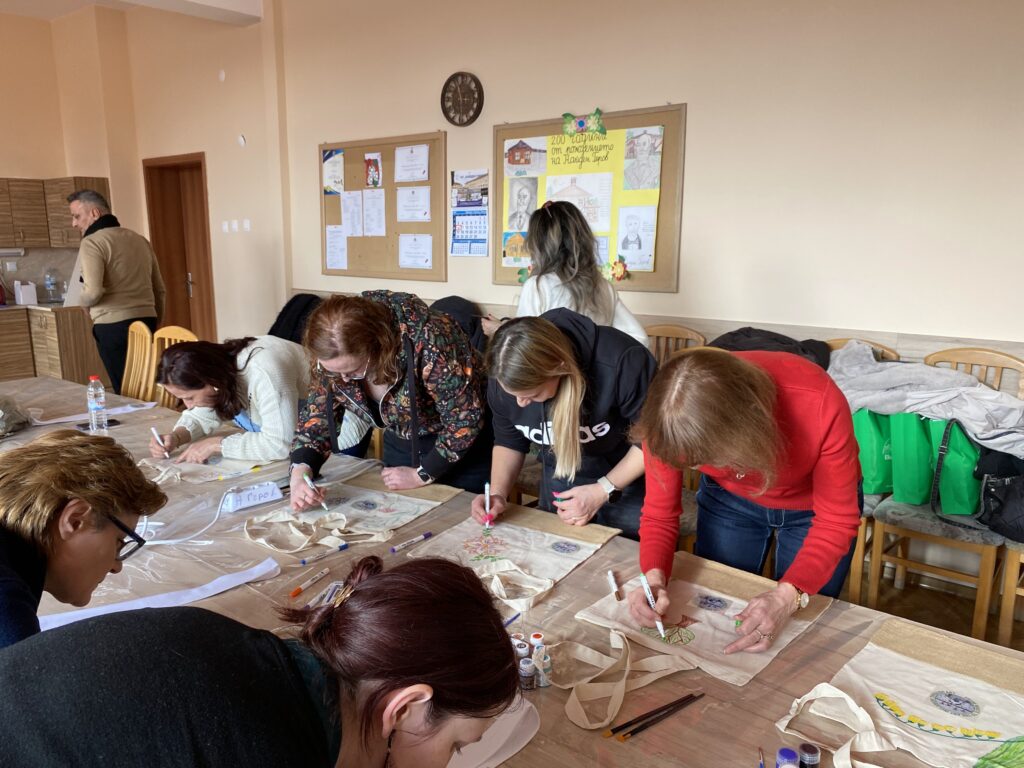
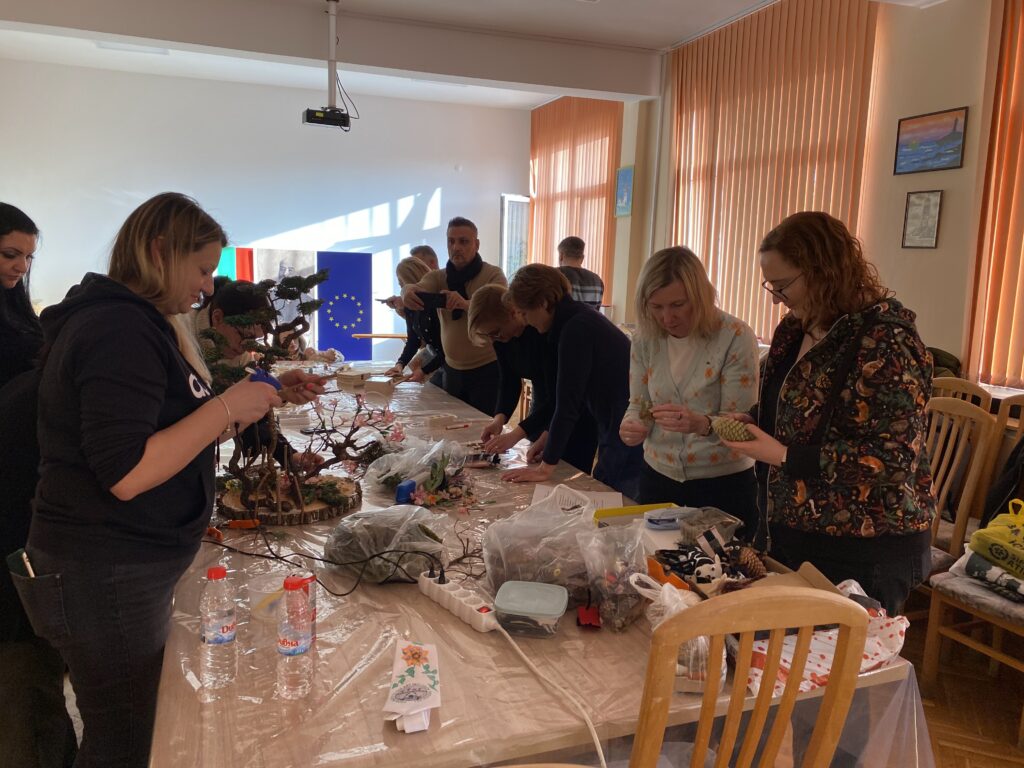
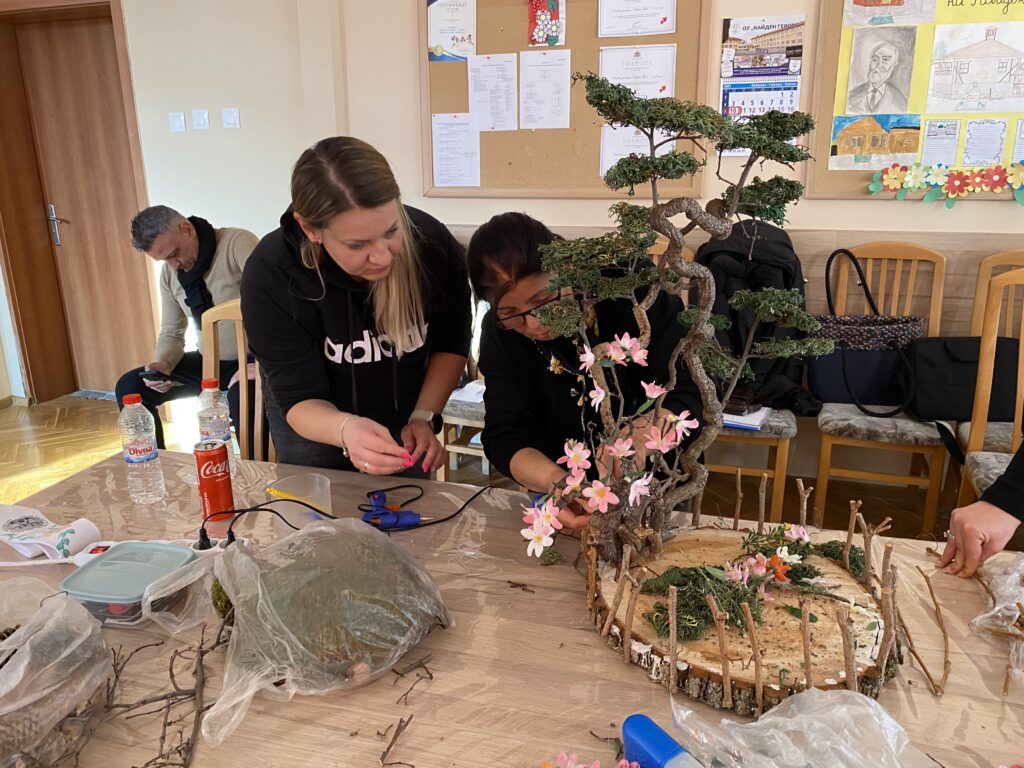
    Participants had the opportunity to engage in practical activities, creating artistic pieces from waste materials. This session highlighted the project’s innovative approach to combining art with sustainability and inclusivity.

    Planning for Future Activities

    Dates for key upcoming activities were defined, including teacher training in Bulgaria and student training in Slovenia. Partners also began preparations for Work Package 2, focusing on teacher education modules.

    Observation and Exchange

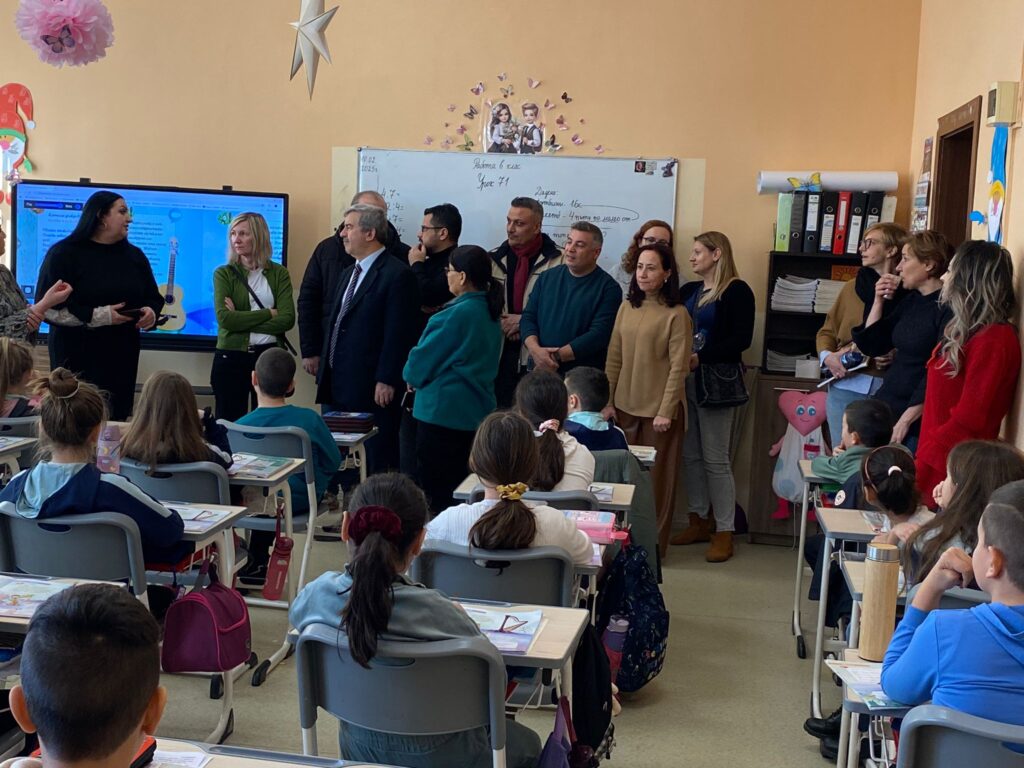
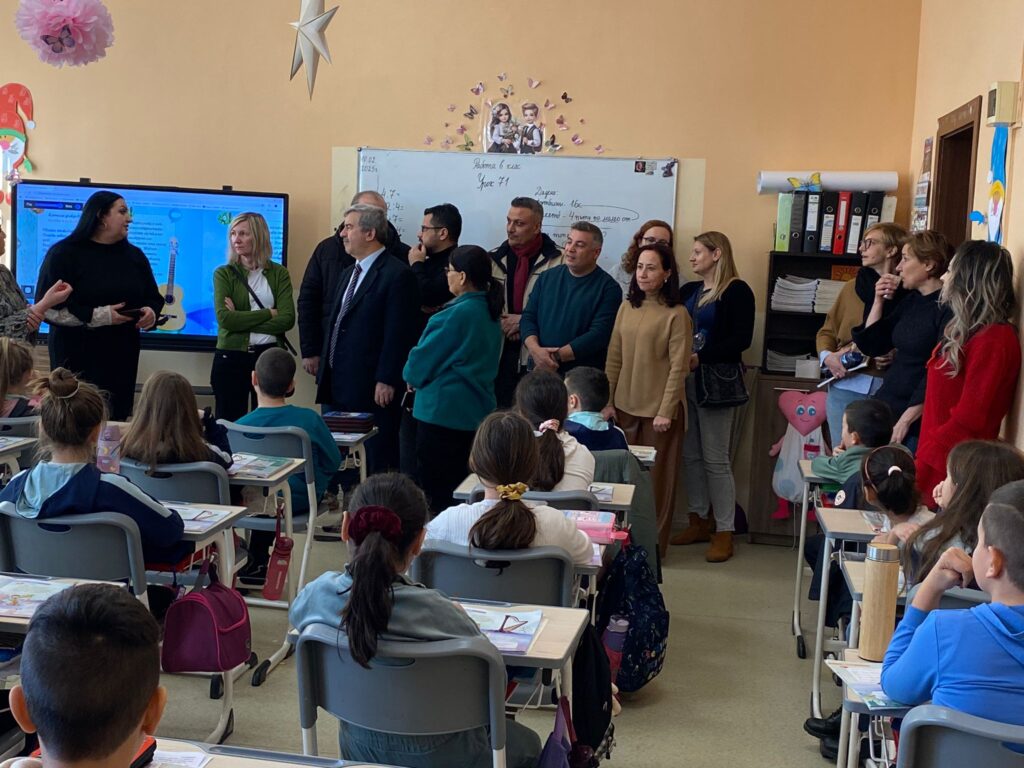
    The kickoff meeting concluded with visits to school facilities and observation of lessons, providing valuable insights into current practices and opportunities for improvement.

    Looking Ahead

    The “From Waste to Art – Inclusion Through Art” project has officially begun its journey, with partners committed to fostering inclusivity and sustainability in education. The meeting set a strong foundation, ensuring the project’s success in transforming classrooms and communities through art and collaboration.